Gongbi and the Depiction of Everyday Life
|
While often associated with historical or mythological subjects, Gongbi painting has also been used to depict scenes from everyday life, capturing the mundane and the extraordinary moments of daily existence with the same level of meticulous detail and artistic sensibility. These paintings often serve as records of a specific time and place, bringing to life scenes that may otherwise be forgotten. 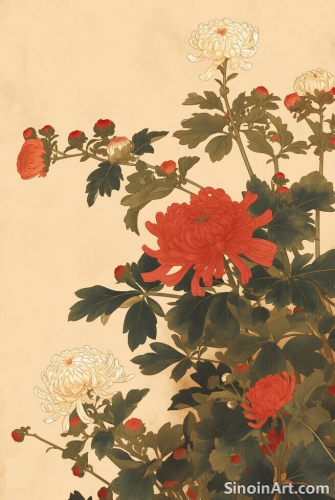 Gongbi paintings of everyday life often portray scenes of common activities, such as market scenes, street vendors, and people going about their daily routines. These paintings provide a valuable glimpse into the past, showcasing the customs, clothing, and social structures of a particular era. These works are both works of art and records of a specific time and place. 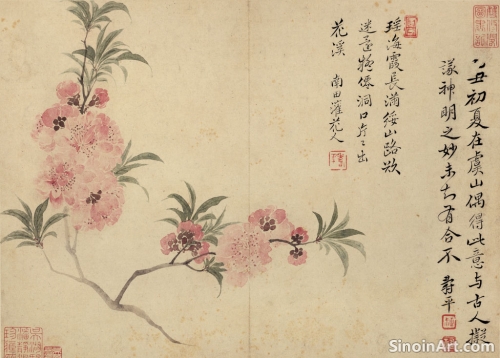 The attention to detail that characterizes Gongbi painting allows artists to capture the nuances of everyday life, from the textures of clothing to the expressions on people's faces. These subtle details add to the realism and depth of the artwork, creating an authentic sense of time and place.  The composition and arrangement of elements in these paintings often reflect the artists’ observations of daily life. The placement of figures, the arrangement of objects, and the perspective often creates an immersive visual experience that draws the viewer into the scene. The placement of elements in the scene helps to enhance the overall story and meaning of the painting. The use of color also plays a crucial role in creating a sense of time and place. The colors used in the clothing, buildings, and surroundings of the artwork all contribute to the overall atmosphere. The color choices help to convey the mood and the time period of the work. Gongbi paintings of everyday life serve as powerful records of the human experience, showcasing the diversity and richness of human existence. These works help to both record and celebrate the human experience in all its diverse and mundane realities. |
Tag : Gongbi daily life, everyday scenes, genre painting, historical record, social art
Related information
- The Influence of Gongbi on Contemporary Art
- Gongbi and the Representation of Textiles and Patterns
- The Influence of Taoism and Confucianism on Gongbi
- The Role of Line in Gongbi: Structure and Expression
- A Historical Journey: The Origins of Gongbi Painting
An examination of Gongbi painting's influence on contemporary art, highlighting the adaptation of its techniques, symbolism, and aesthetic principles.
This article explores the meticulous representation of textiles and patterns in Gongbi painting, highlighting the detailed linework, color variations, and how these elements convey texture, volume, and contribute to the overall narrative of the artwork.
This article explores the influence of Taoism and Confucianism on Gongbi painting, highlighting how these philosophical traditions have shaped the aesthetic values, themes, and overall approach to artistic creation in this meticulous art form.
This article focuses on the importance of line in Gongbi painting, detailing the "gougou" outlining method, the variation in line weight, and the use of lines to convey structure and expression in the artwork.
This article traces the historical development of Gongbi painting from its early origins to its modern resurgence, highlighting its evolution across dynasties and its place in Chinese art history.