The Influence of Gongbi on Contemporary Art
|
While rooted in tradition, Gongbi painting has also exerted a noticeable influence on contemporary art practices, both within China and internationally. Its emphasis on precision, detail, and the layering of color has inspired artists working in a variety of mediums, leading to interesting adaptations and interpretations of the style.  One of the key areas of influence is the resurgence of interest in traditional techniques and materials. Many contemporary artists are looking back to the masterful methods of Gongbi, incorporating these into their own work. This has led to the revival of certain skills that were in danger of being lost, bridging the gap between past and present. It's a rediscovery of old ways of creating beauty.  Beyond literal adoption, Gongbi's focus on meticulous detail and refined aesthetics has inspired a range of artistic approaches. We see this in the painstaking processes used by some artists, creating elaborate works that are characterized by the precise application of color and texture. This is evident in not just painting, but in sculpture, ceramics and other mediums. 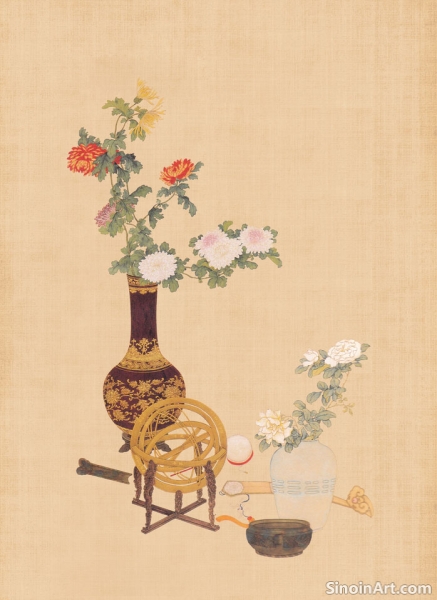 The symbolic language inherent in Gongbi has also resonated with contemporary artists, many of whom use this as a platform for exploring modern themes and issues. The symbolism becomes a way to infuse contemporary narratives with deeper cultural significance, creating a powerful fusion of the old and the new. It gives modern artwork a sense of history. Gongbi’s influence is also being felt on a global scale. Artists from diverse cultural backgrounds are drawn to its unique approach to detail and realism, interpreting it through their own artistic lenses. This cross-cultural dialogue is pushing the boundaries of Gongbi and traditional art, proving its continuing relevance in an increasingly interconnected world. This has been achieved by both foreign artists learning these methods, and traditional Gongbi artists incorporating global art trends. |
Tag : Gongbi influence, contemporary Chinese art, traditional techniques in art, modern art and tradition, art fusion
Related information
- The Use of White Space in Gongbi Composition
- Learning Gongbi: Resources and Pathways for Aspiring Artists
- Brushstrokes of Precision: The Techniques of Gongbi
- The Role of Line in Gongbi: Structure and Expression
- Gongbi Painting and the Use of "Boneless" Technique
This article explores the importance of white space in Gongbi composition, highlighting its role in defining the main subject, creating depth, contributing to overall balance, and reflecting the philosophical principles of emptiness and the interplay of yin and yang.
This article provides an overview of resources and pathways for aspiring Gongbi artists, including formal education, online resources, private instruction, and the importance of consistent practice.
This article delves into the specific techniques of Gongbi painting, focusing on the outlining method, color application, detailed depiction, traditional materials, and the discipline required for mastery.
This article focuses on the importance of line in Gongbi painting, detailing the "gougou" outlining method, the variation in line weight, and the use of lines to convey structure and expression in the artwork.
This article explores the “boneless” technique (没骨法) in Gongbi painting, highlighting how artists use color washes to create forms without preliminary outlines, adding softness, fluidity, and demonstrating a versatility within the art form.