Famous Gongbi Artists: Masters of the Brush
|
Throughout the rich history of Gongbi painting, numerous artists have left their indelible mark on this art form, pushing the boundaries of technique and demonstrating the style's aesthetic potential. Studying the works of these masters provides a valuable insight into the evolution of Gongbi and serves as inspiration for aspiring artists.  One cannot discuss Gongbi without mentioning the court painters of the Tang and Song dynasties, who created some of the most exquisite and enduring works of this art form. Artists such as Yan Liben from the Tang dynasty, renowned for his meticulous portrayals of court figures, and Emperor Huizong of Song, who was himself a gifted painter, are considered paragons of Gongbi painting. Their work is defined by technical excellence and an eye for detail. 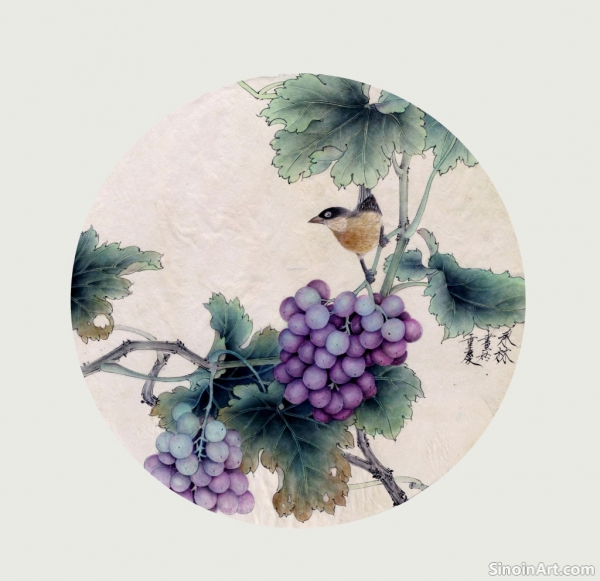 In the Ming and Qing dynasties, notable figures like Chen Hongshou and Ren Bonian further refined the Gongbi technique, introducing new innovations and expressive approaches. Their art is revered by many modern artists who still study their methods and stylistic approaches. They show how tradition can be developed, rather than just copied. 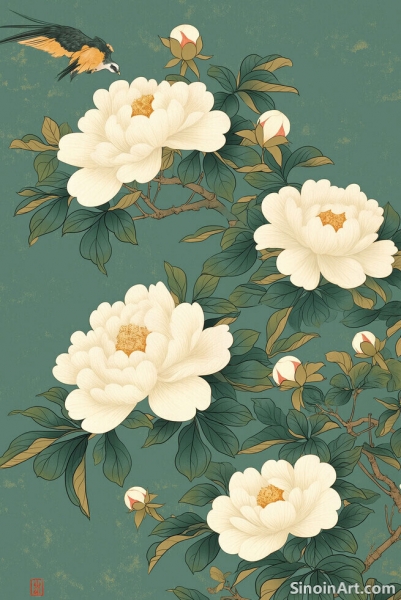 In contemporary China, many established artists continue to excel in the practice of Gongbi, adapting the style to modern sensibilities. Artists like He Jiaying and Yu Zhizhen are celebrated for their innovative approaches and beautiful renderings of both traditional and modern subjects. Their work is shown in galleries across the world, reaching a global audience. Studying the lives and artworks of these masters is an essential part of learning Gongbi. They provide a window into the historical and cultural context of the style and demonstrate its enduring capacity for innovation and personal expression. They are more than just artists, but storytellers who pass down culture to new generations. Their influence continues to shape the way Gongbi is practiced today. |
Tag : Famous Gongbi artists, Tang dynasty painters, Song dynasty masters, Chinese painting history, modern Gongbi artists
Related information
- Gongbi Painting and the Art of Observation
- Gongbi Painting in the Modern Era: Reinterpretations and Adaptations
- Gongbi Painting and the Use of "Boneless" Technique
- Gongbi Painting and the Influence of Chinese Poetry
- Learning Gongbi: Resources and Pathways for Aspiring Artists
Explores the significance of observation in Gongbi painting, highlighting its role in capturing detailed forms and understanding the subject's essence.
Discusses the reinterpretations and adaptations of Gongbi painting in the modern era, highlighting new themes, techniques, and the blending of tradition with contemporary sensibilities.
This article explores the “boneless” technique (没骨法) in Gongbi painting, highlighting how artists use color washes to create forms without preliminary outlines, adding softness, fluidity, and demonstrating a versatility within the art form.
This article explores the influence of Chinese poetry on Gongbi painting, highlighting the shared themes, imagery, and symbolic language, and how this connection enhances the literary and artistic impact of the artwork.
This article provides an overview of resources and pathways for aspiring Gongbi artists, including formal education, online resources, private instruction, and the importance of consistent practice.