Gongbi Painting in the Modern Era: Reinterpretations and Adaptations
|
While deeply rooted in tradition, Gongbi painting has not remained static. Contemporary artists are constantly reinterpreting and adapting the style, blending classical techniques with modern sensibilities, and exploring new themes and modes of expression. This ability to evolve is why Gongbi remains a vibrant and relevant artform. 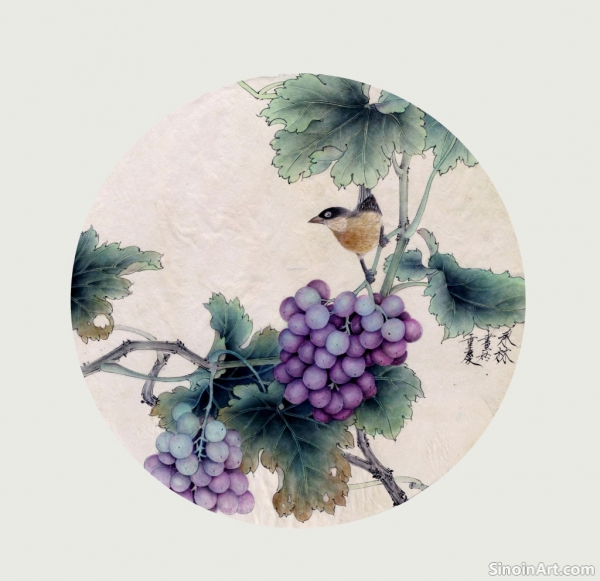 One notable trend in modern Gongbi is the fusion of traditional techniques with contemporary aesthetics. Artists are experimenting with new color palettes, compositions, and subject matter, using the meticulous detail of Gongbi to create works that speak to the concerns of our modern world. It’s a way to both honour the past and yet move into the future. 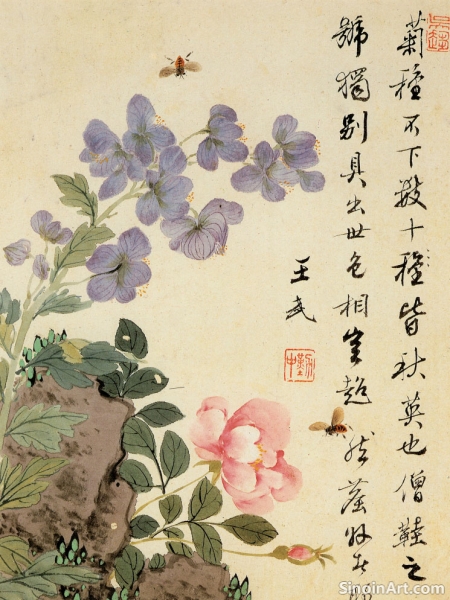 Many contemporary Gongbi artists are exploring themes related to social issues, environmental concerns, and personal identity. By addressing these topics within the framework of Gongbi, they are able to bring a new level of depth and relevance to the art form. It shows that a traditional artform can still tackle contemporary problems.  Technological advancements have also opened up new possibilities for Gongbi artists. Digital tools and printing techniques are being used to create new forms of artwork that incorporate the intricate details and vibrant colors of Gongbi. This shows that traditional methods can be combined with modern tools to push the artform forward. These adaptations are not a rejection of tradition, but rather a testament to the enduring power and flexibility of Gongbi painting. By honoring its rich heritage and embracing innovation, contemporary artists are ensuring that this ancient art form continues to evolve and thrive in the modern era. The future of Gongbi is bright, and open to new interpretations. |
Tag : Modern Gongbi painting, contemporary Chinese art, reinterpreting tradition, art adaptation, new Gongbi techniques
Related information
- The Influence of Gongbi on Contemporary Art
- Gongbi Painting on Silk: Tradition and Technique
- Commissioning a Gongbi Painting: What You Need to Know
- Gongbi vs. Xieyi: Understanding the Two Pillars of Chinese Painting
- Gongbi vs. Xieyi: Contrasting Styles in Chinese Art
An examination of Gongbi painting's influence on contemporary art, highlighting the adaptation of its techniques, symbolism, and aesthetic principles.
Focuses on the use of silk as a painting surface in Gongbi art, detailing preparation techniques, challenges, and the historical significance of using this material.
This article provides a guide for those interested in commissioning a Gongbi painting, highlighting the importance of clear communication, artist selection, understanding the process, setting realistic timelines, and managing budget expectations.
This article contrasts Gongbi painting with Xieyi painting, highlighting the differences in their techniques, brushwork, use of color, and overall artistic goals within the landscape of Chinese painting traditions.
A comparison of Gongbi and Xieyi painting styles, highlighting their contrasting techniques, philosophies, and artistic intentions.