The Influence of Literati Painting on Xieyi
|
The development of Xieyi painting is inextricably linked to the tradition of literati painting (wenrenhua). Literati painters, who were scholar-officials, poets, and calligraphers, viewed painting as a means of personal expression and intellectual cultivation, rather than merely as a form of decoration. Their philosophy had a deep influence on the development of Xieyi. 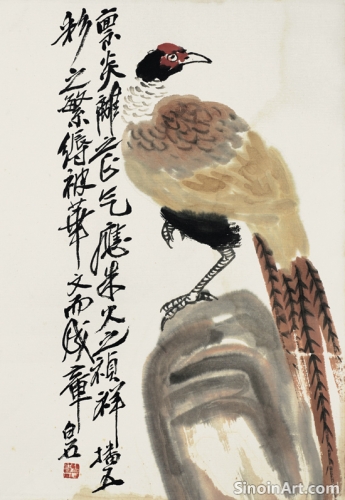 Literati painting emphasized the importance of personal feeling, spontaneity, and the pursuit of the essence of things. Artists aimed to express their inner thoughts and emotions through the language of ink and brush, rather than meticulously depicting the outer world. This focus on inner expression is a core principle of Xieyi. It was a deliberate departure from realism. 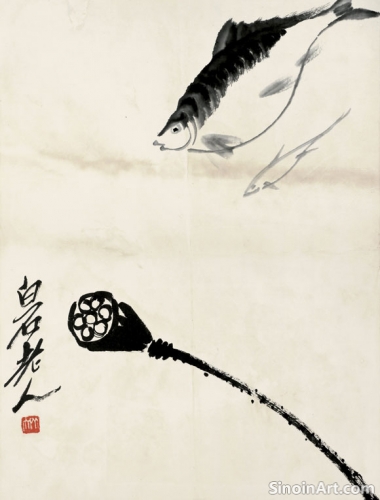 The practice of calligraphy was integral to literati painting, as the same tools and techniques used for writing Chinese characters were employed in painting. This emphasis on calligraphic brushwork became a defining characteristic of both literati painting and Xieyi. The artistic language was unified across multiple forms of expression. 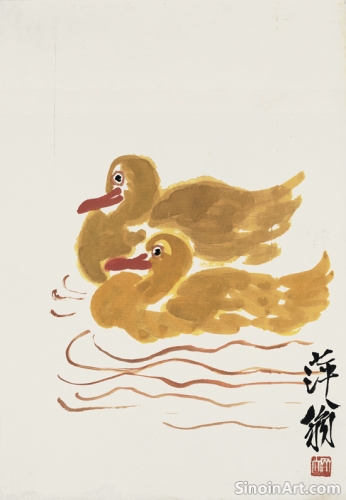 Literati painters often incorporated poetry into their artworks, further blending the visual and literary arts. They sought to convey their feelings and ideas through a combination of painting, calligraphy, and verse, creating a holistic artistic experience. This combination of disciplines is a key characteristic of the literati tradition. The aesthetic ideals of the literati – simplicity, naturalness, and a deep appreciation for the natural world – continue to influence Xieyi painting today. The desire to harmonize with nature, rather than dominating it, is a legacy of the literati tradition. It remains a driving force behind contemporary art. |
Tag : Literati painting, wenrenhua, scholar painting, calligraphic art, Chinese aesthetic
Related information
- The Essence of Xieyi: Capturing the Spirit
- The Enduring Significance of Xieyi Painting
- The Importance of "Qi" in Xieyi Brushwork
- Xieyi Painting and the Concept of "Gu Yi"
- Xieyi Painting as a Means of Meditation
Xieyi, or freehand ink wash painting, emphasizes the expression of the artist's spirit through simplified forms and bold brushstrokes, using calligraphic techniques and negative space to convey the essence of a subject.
Xieyi painting's enduring significance lies in its rich history, philosophical depth, and emphasis on personal expression, spontaneity, and the pursuit of essence, connecting with audiences through its timeless aesthetic, connection to nature, and human spirit, while contemporary artists ensure its continued practice, evolution, and relevance in the world of art.
Qi (vital energy) is fundamental to Xieyi brushwork, representing the expressive quality and energy within each stroke, achieved by the artist's balance, focus, and connection with their subject, emphasizing spontaneity and imbuing the artwork with a sense of vitality and inner spirit.
"Gu Yi" (ancient intention) in Xieyi emphasizes an artist's engagement with tradition, seeking to absorb the spirit and principles of past masters, studying their techniques and cultural context to create work that honors the legacy of the art form and contributes to its ongoing evolution.
The practice of Xieyi painting serves as a form of meditation, fostering mindfulness, focus, and a sense of connection with the inner self, nature, and the creative process, allowing artists to express inner feelings, explore personal growth, and find a sense of peace and balance.