Changsha Ware: Bold Designs and Painted Decoration
|
Changsha ware is a distinctive ceramic style from the Tang Dynasty produced in Hunan province, characterized by its bold painted and splashed decorations and its use of underglaze pigments. This ceramic style represents an important counterpoint to the more formal pieces being made in other kilns. Changsha ware is a unique and fascinating aspect of Tang ceramics. 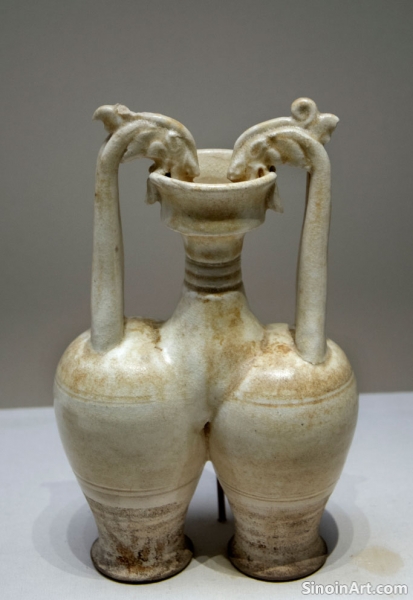 The decorations on Changsha ware often include splashes, spots, and freehand painted designs in colors such as brown, green, and copper-red. These designs often depict floral and abstract patterns. These decorations added a visual dynamism to the pieces. 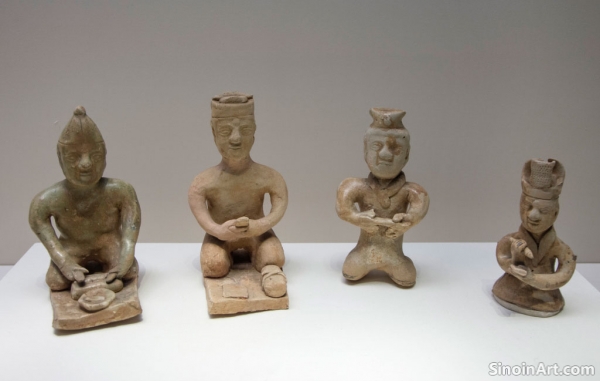 Changsha ware was often made from stoneware and was produced in a variety of forms, including bowls, dishes, and ewers. These everyday forms show the intended purpose of the pieces. These were meant to be used as part of the daily life of the era. 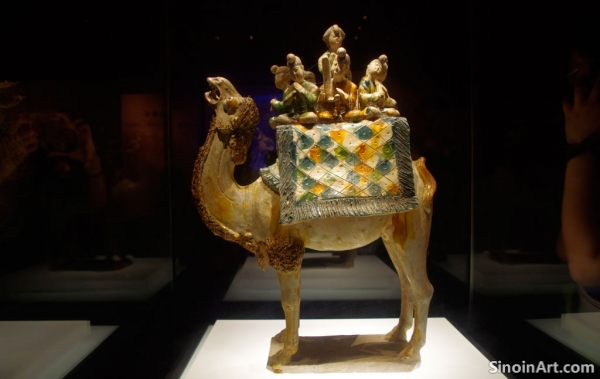 Changsha ceramics were made for both domestic use and for export, and they have been found in archaeological sites across Asia. This ware was a major part of the Tang export market. Their widespread distribution is a sign of their popularity. The legacy of Changsha ware lies in its bold designs, its freehand decoration, and its demonstration of the range and diversity of Tang ceramic production. These pieces show a spirit of experimentation and creativity. These pieces are a vital part of the overall story of the ceramic tradition. |
Tag : Changsha ware, Tang Dynasty pottery, Chinese ceramics, Painted pottery, Underglaze decoration
Related information
- The Vibrant World of Tang Ceramics: An Overview
- Sancai Glazes: A Tang Dynasty Innovation
- The Economic Importance of Tang Ceramic Production
- Sancai Ware: A Symphony of Three Colors
- The Influence of the Silk Road on Tang Ceramics
Tang Dynasty ceramics (618-907 AD) are characterized by vibrant colors, diverse forms, and innovative techniques, most notably three-color (sancai) glazes, reflecting the prosperity and cultural exchange of the era.
Sancai glazes, a key Tang innovation, are lead-based, three-color glazes (green, amber, and cream) applied to diverse ceramics, celebrated for their vibrant colors, distinctive textures, and reflection of the Tang Dynasty.
Tang Dynasty ceramic production was economically significant, providing employment, fostering trade both domestically and internationally, and contributing significantly to the empire’s wealth, thereby stimulating economic growth.
Sancai, meaning “three-color” in Chinese, is perhaps the most iconic ceramic ware of the Tang Dynasty. These vibrant and richly glazed pieces are instantly recognizable for their combination of green, amber, and cream or straw-yellow glazes. While the term suggests a limited palette, the actual range of colors could vary, sometimes incorporating blues and purples, creating a dazzling visual spectacle. Sancai ware wasn’t just about color; it was a bold statement of Tang aesthetics and technical prowess.
The Tang Dynasty was a period of unprecedented prosperity and cultural exchange, largely due to the flourishing of the Silk Road. This network of trade routes not only facilitated the exchange of goods but also ideas and artistic styles. The influence of the Silk Road on Tang ceramics is undeniable, introducing new techniques, materials, and decorative motifs that transformed the landscape of Chinese pottery. The interaction between different cultures created a vibrant and cosmopolitan atmosphere reflected in the artistic output of the time.