The Economic Importance of Tang Ceramic Production
|
Ceramic production played a significant economic role in the Tang Dynasty, both domestically and through export. The industry provided employment to a large number of people and contributed significantly to the wealth of the empire. The production of ceramics was a major economic activity of the time. 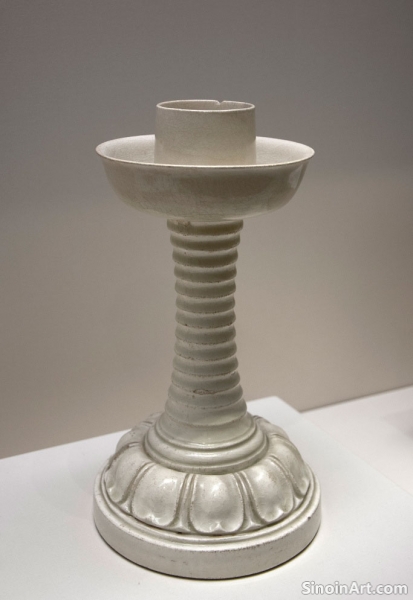 The production of sancai wares, Yue celadon, and other ceramics was centered in various kiln sites throughout China, each contributing to the overall ceramic output of the era. Each kiln site became a center of both art and industry. The large output of the kilns helped to support the empire. 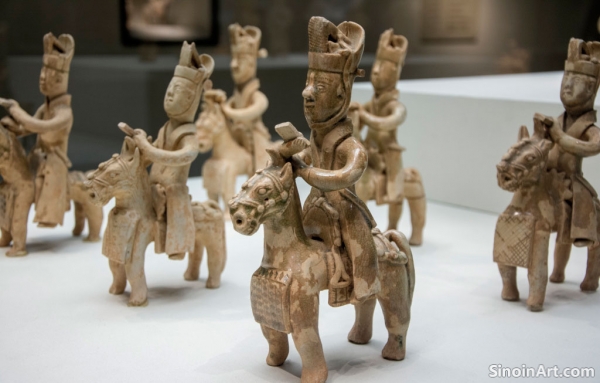 Tang ceramics were traded throughout Asia, and they have been found in archaeological sites in various countries, attesting to their importance in international commerce. The widespread trade of Tang ceramics also helped to spread Chinese artistic ideas and techniques. These pieces traveled to all points of the known world. 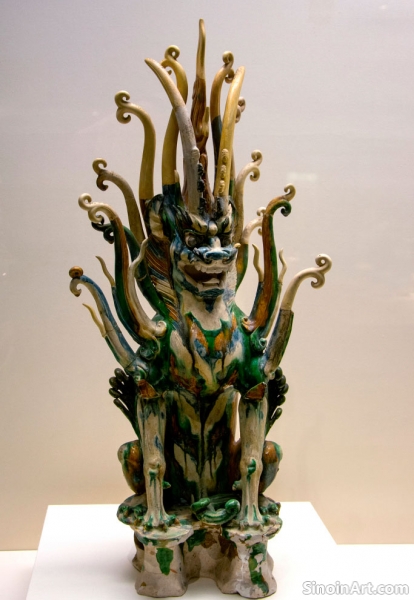 The trade in ceramics stimulated economic growth and encouraged the development of new technologies and production methods. The economic influence of pottery production was immense. The trade was mutually beneficial to China and the various trading partners of the era. The economic importance of Tang ceramic production highlights not only the aesthetic achievements of the time but also the key role of ceramic production in the economic and cultural life of the Tang Dynasty. The trade of ceramics was an essential element of Tang economic success. |
Tag : Tang ceramics trade, Chinese economy, Ceramic production, Export pottery, Tang Dynasty
Related information
- Sancai Glazes: A Tang Dynasty Innovation
- The Forms of Tang Ceramics: Function and Artistry
- The Influence of Foreign Cultures on Tang Ceramics
- The Vibrant World of Tang Ceramics: An Overview
- Burial Goods and the Afterlife in Tang Ceramics
Sancai glazes, a key Tang innovation, are lead-based, three-color glazes (green, amber, and cream) applied to diverse ceramics, celebrated for their vibrant colors, distinctive textures, and reflection of the Tang Dynasty.
Tang Dynasty ceramics feature diverse forms ranging from elegant ewers and sancai tomb figures to robust storage jars and architectural elements, showcasing the intersection of function, artistry, and the diverse needs of the era.
The Tang Dynasty’s openness to international exchange significantly influenced its ceramics, evident in the adoption of foreign patterns, vessel forms, and decorative techniques, reflecting the cosmopolitan spirit of the era.
Tang Dynasty ceramics (618-907 AD) are characterized by vibrant colors, diverse forms, and innovative techniques, most notably three-color (sancai) glazes, reflecting the prosperity and cultural exchange of the era.
The Tang Dynasty saw the flourishing of an elaborate burial culture, with ceramics playing a central role in equipping the deceased for the afterlife. These funerary wares, from everyday objects to elaborate figurines, offer a fascinating glimpse into Tang beliefs about death, the spirit world, and the continuation of earthly life in another realm. These burial goods were not just functional; they were imbued with symbolic meaning and designed to ensure the comfort and prosperity of the deceased.