Bronze Ware and the Transmission of Ancient Chinese Technical Knowledge: Tools, Techniques, and Innovation
|
The production of bronze ware in ancient China required a deep understanding of technical processes, which were passed down through generations of artisans and craftspeople, ensuring the continuity of specialized knowledge and skills. The long apprenticeship process of bronze workers helped to ensure a high level of technical knowledge and craftsmanship throughout Chinese history. The passing down of knowledge was essential to the continuation of this important artistic tradition. 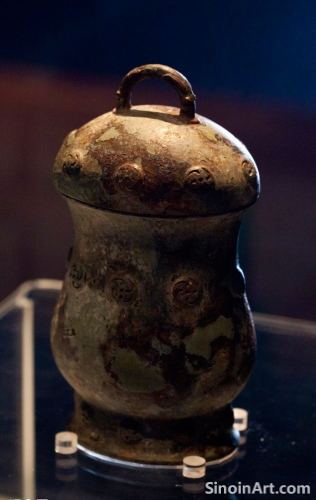 The study of bronze artifacts helps to demonstrate both the complex practical knowledge needed for metalworking and also the theoretical understanding of materials science, including the properties of metals, the creation of alloys, and casting techniques. The combination of practical experience with an underlying understanding of scientific principles is a key element in the creation of these objects.  The careful maintenance of techniques, through both training and practice, helped to ensure the standardization of production, the consistent quality of the goods, and the transmission of the accumulated knowledge that was needed to create these impressive artifacts. The long apprenticeship process helped to maintain high quality standards for many years to come. The care taken to pass this knowledge to the next generation is a hallmark of the ancient Chinese tradition. 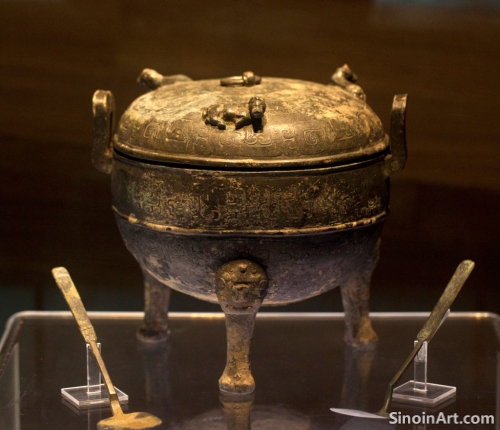 The use of these bronze objects in a variety of practical and specialized settings was an essential component in the development of technology and manufacturing in ancient China, and their creation helped to shape the knowledge and practices that were employed for hundreds of years to come. The interplay between practical application and the development of theoretical knowledge is a key component of ancient Chinese history. |
Tag : bronze technical knowledge, ancient crafts, Chinese metalworking, skill transmission, historical technology
Related information
- The Development of Bronze in the Spring and Autumn Period: New Forms, Techniques, and Regional Styles
- The Impact of Bronze Ware on Ancient Chinese Burial Customs: Ritual Objects and the Afterlife Journey
- The Role of Patronage in the Production of Tang Bronze Ware: Court and Aristocracy
- Bronze Ware and Ancient Chinese Understandings of the Natural World: Animal Symbolism and Ecological Awareness
- The Symbolic Significance of Bronze in Ancient Chinese Power Structures: Ritual, Authority, and Legitimacy
This article explores the development of bronze ware during the Spring and Autumn period, highlighting new forms, innovative techniques, and the rise of distinctive regional styles, reflecting the growing artistic diversity of the time.
This article explores the impact of bronze ware on ancient Chinese burial customs, highlighting their role as grave goods, their connection to beliefs about the afterlife, and how they reflect the status and spiritual needs of the deceased.
This article explores the role of patronage in the production of Tang Dynasty bronze ware, highlighting how the imperial court and aristocracy commissioned objects, influencing the style, types, and uses of these artifacts.
This article explores how bronze ware reflects ancient Chinese understandings of the natural world, highlighting the detailed representations of animals, plants, and landscapes, and demonstrating the ancient awareness of the interconnectedness of humans and their environment.
This article explores the symbolic significance of bronze in ancient Chinese power structures, highlighting its role in ritual practices, its symbolism of authority and legitimacy, and its use by rulers to consolidate political control.