Bronze Ware and Ancient Chinese Understandings of the Natural World: Animal Symbolism and Ecological Awareness
|
Beyond the symbolic depictions of mythical creatures, Chinese bronze ware also reflected a deep appreciation for the natural world, with many objects featuring detailed representations of real animals, plants, and landscapes, and providing insight into the ancient Chinese understanding of the interconnectedness of humans and the natural world. The integration of natural forms into artistic creation helped to connect the spiritual and practical aspects of life.  The depictions of animals on bronze ware often reflected their ecological roles, and their importance in both the agricultural and spiritual lives of the ancient Chinese. The careful observation of nature is readily apparent in the lifelike and realistic depictions of animals and plants. The use of specific animals and plants helped to convey certain spiritual and symbolic meanings. 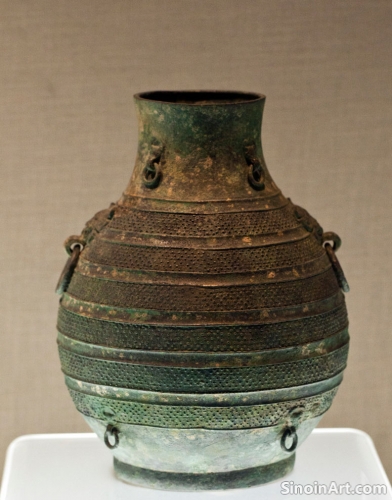 The inclusion of landscapes and natural elements on bronze ware also emphasized a sense of connection to the earth and to a larger understanding of natural forces and energies. The integration of nature into the designs of these pieces helps to show the complex understanding that they had of their relationship to their physical environment. 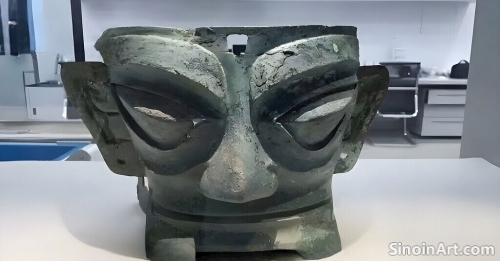 The careful use of bronze and also the use of natural imagery suggests an overall understanding of the fragility of nature and also its essential role in the wellbeing of the human world. The use of artistic expression to convey scientific and environmental understanding was a hallmark of ancient Chinese culture. The study of bronze ware and its connection to the natural world provides a unique perspective on the environmental awareness and worldview of ancient China, revealing their understanding of the interconnectedness of all living things. The integration of natural elements into art helped to shape both a scientific and a spiritual connection to the world. |
Tag : bronze animal symbolism, Chinese nature, ecological awareness, ancient landscape, natural motifs
Related information
- The Influence of Bronze Ware on Ancient Chinese Clothing and Adornment: Jewelry, Belt Hooks, and Ornaments
- The Use of Bronze in Ancient Chinese Food Preparation and Dining: Utensils and Vessels
- The Geometric Patterns of Bronze Ware: Order, Harmony, and Cosmic Significance
- Preserving Chinese Bronze Ware: Challenges and Methods of Conservation
- Bronze Ware and the Transmission of Ancient Chinese Knowledge: Libraries, Archives, and Scholarship
This article explores the use of bronze in ancient Chinese clothing and adornment, highlighting the creation of jewelry, belt hooks, buckles, and other decorative elements, and demonstrating the integration of art, fashion, and social expression.
This article explores the use of bronze in ancient Chinese food preparation and dining, highlighting the creation of cooking pots, serving utensils, and tableware, and demonstrating how bronze was integrated into both daily life and social customs.
This article explores the geometric patterns on Chinese bronze ware, highlighting their role in conveying order, balance, and harmony, and discussing how they reflected an understanding of the universe and the importance of the repeating patterns and cycles found in nature.
This article discusses the challenges and methods of conserving Chinese bronze ware, highlighting the vulnerability to corrosion, the specific techniques used for cleaning and preservation, and the overall importance of safeguarding these artifacts for the future.
This article explores how bronze ware was used in the transmission of knowledge in ancient China, highlighting its role in creating records, tablets, archive labels, and other objects that helped to document, preserve, and disseminate information for future generations.