Bronze Ware and the Representation of Mythical Creatures: Dragons, Phoenixes, and the Realm of the Supernatural
|
Beyond the realistic depictions of animals and scenes from daily life, Chinese bronze ware was also frequently decorated with mythical creatures, including dragons, phoenixes, and other fantastical beings, that conveyed a powerful connection with the spiritual realm, with many of the objects used in ritual performance. The use of mythical figures helped to enhance the magical and otherworldly aspects of the objects. The power and mystery of these mythical beasts continues to fascinate people to this day. 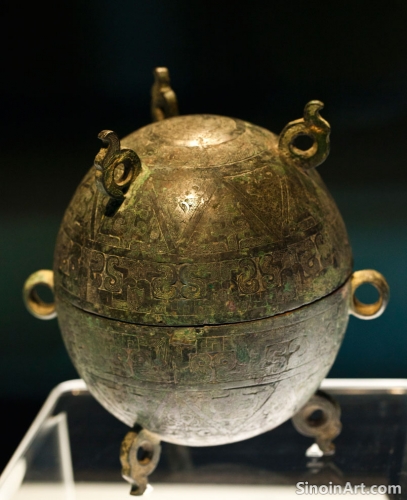 The dragon, often depicted as a powerful, serpentine creature with claws, scales, and horns, symbolized authority, wisdom, and good fortune, reflecting the power of the emperor and the cosmic forces that controlled the universe. The dragon has always been an important symbolic figure in Chinese culture. The inclusion of the dragon on these artifacts is a powerful sign of status and cultural importance. 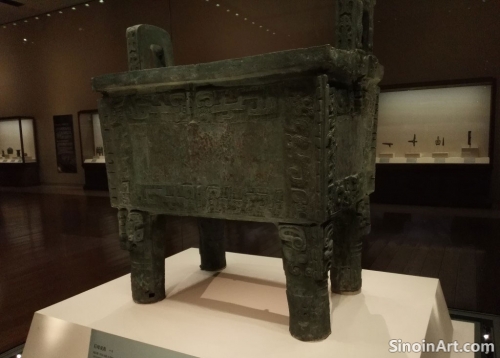 The phoenix, often portrayed as a beautiful bird with elaborate plumage, was associated with rebirth, renewal, and the feminine principle, and was a counterpart to the yang energy of the dragon. The phoenix is often associated with immortality and regeneration, and was an important symbolic figure. The combination of both of these elements is often seen in Chinese art.  Other mythical creatures, such as the qilin, bixie, and the taotie, also frequently appear on bronze objects, reflecting ancient beliefs about the forces that shaped the world, both seen and unseen. The integration of the supernatural into the everyday was a key element of Chinese culture. The study of mythical creatures on bronze ware provides insights into the ancient Chinese imagination, as well as their complex beliefs about the spirit world. These objects offer insights into the beliefs, traditions, and mythology of the people who produced them. The complex interplay between myth, belief, and artistic expression is a key aspect of Chinese culture. |
Tag : bronze mythical creatures, Chinese dragons, phoenixes, supernatural beings, ancient mythology
Related information
- The Impact of Bronze Ware on Ancient Chinese Ritual Practices: Sacrifices, Offerings, and Performances
- The Production and Use of Bronze in Ancient Chinese Musical Instruments: Harmony and the Cosmos
- The Influence of Bronze Ware on Later Chinese Decorative Arts
- The Influence of Tang Dynasty Kaishu Calligraphy on Bronze Inscriptions
- Bronze Ware and the Rise of Cities in Ancient China: Power, Trade, and Urban Centers
This article explores the impact of bronze ware on ancient Chinese ritual practices, highlighting their use in sacrifices, offerings, and performances, and demonstrating their importance in connecting the earthly world with the realms of gods and spirits.
This article explores the use of bronze in ancient Chinese musical instruments, highlighting the technical skill involved in their creation, the cosmological beliefs they represent, their role in ritual practices, and the interplay between music, spirituality, and the material world.
This article explores the influence of bronze ware on later Chinese decorative arts, highlighting its impact on forms, motifs, and aesthetic principles, and demonstrating the enduring legacy of bronze design across various art media.
This article explores the influence of Tang Dynasty Kaishu calligraphy on bronze inscriptions, highlighting how its elegant and structured forms impacted the style of carved characters and reflecting the artistic interplay between calligraphy and metalworking.
This article explores the connection between bronze ware and the rise of cities in ancient China, highlighting its role in economic activity, the concentration of wealth, the reinforcement of power, and the cultural flourishing of urban centers.