The Influence of Bronze Ware on Later Chinese Decorative Arts
|
The forms, motifs, and techniques developed in the production of Chinese bronze ware had a lasting impact on later Chinese decorative arts, including lacquerware, textiles, and jade carvings. The enduring legacy of bronze helped to shape these later art forms. The ancient traditions set in the bronze age became central elements of future generations of Chinese artists and artisans. 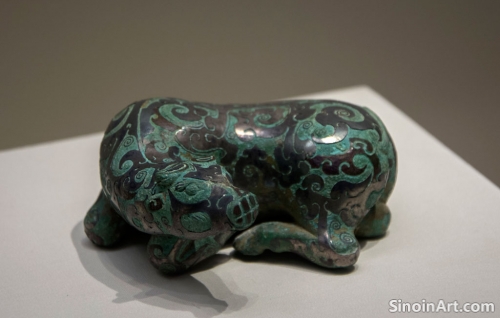 The shapes of bronze vessels, such as ding, gui, and zun, often served as prototypes for later ceramic and lacquerware forms. The influence of bronze can be clearly seen in the shapes and designs of these later objects. These shapes became fundamental forms that resonated throughout Chinese art. 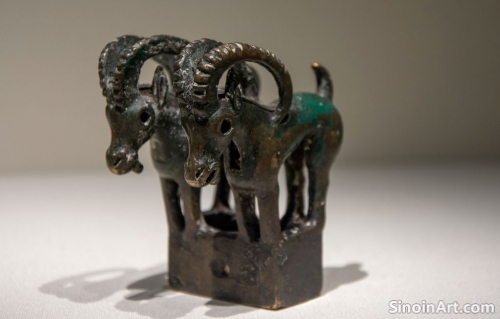 The decorative patterns and animal motifs seen on bronze ware, such as the taotie, dragons, and phoenixes, were widely adopted in textiles, carvings, and paintings, creating a sense of cultural continuity across various art forms. These same symbols and designs were adopted by artists working in other media, demonstrating the enduring appeal of these ancient symbols. 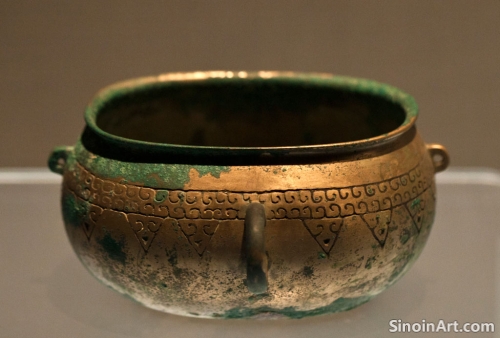 The emphasis on balance, symmetry, and intricate detail, which were hallmarks of bronze craftsmanship, continued to influence the aesthetic principles of Chinese art for centuries. The design principles developed during the bronze era were a key influence on later artistic creations. The ongoing influence of bronze ware on later Chinese decorative arts demonstrates the timeless beauty and artistic power of these ancient objects. These pieces served as foundational forms for a vast number of later works of Chinese art. |
Tag : bronze influence, Chinese decorative arts, jade carvings, lacquerware, textile designs
Related information
- Bronze Ware and Ancient Chinese Philosophy: Exploring the Connection Between Material Culture and Intellectual Thought
- Bronze Ware and the Ancient Chinese Understanding of Material Science: Alloys, Properties, and Applications
- The Influence of Nomadic Cultures on Chinese Bronze Ware: Cross-Cultural Exchanges
- The Preservation of Bronze Ware: The Impact of Environmental Factors and Storage Conditions
- Bronze Vessels and the Concept of "Li" in Ancient China: Ritual Order and Social Harmony
This article explores the connection between bronze ware and ancient Chinese philosophy, highlighting how Confucian, Daoist, and Legalist ideas influenced the forms, designs, and symbolic meanings of these objects, demonstrating the interplay between material culture and intellectual thought.
This article explores the connection between bronze ware and ancient Chinese material science, highlighting the understanding of alloys, their properties, and their applications, and demonstrating the technical expertise of the ancient metalworkers.
This article explores the influence of nomadic cultures on Chinese bronze ware, highlighting the adoption of new forms, styles, and techniques, the influence of animal motifs, and the role of trade and diplomacy in the transmission of cultural ideas.
This article explores the impact of environmental factors and storage conditions on the preservation of Chinese bronze ware, highlighting the causes of corrosion, the role of humidity and pollutants, and the need for careful management of storage environments.
This article explores the connection between bronze vessels and the concept of li (禮) in ancient China, emphasizing how the proper use of vessels in rituals reinforced social order, hierarchy, and contributed to maintaining social harmony.