The Impact of Bronze Ware on Ancient Chinese Ritual Practices: Sacrifices, Offerings, and Performances
|
Bronze ware played a central and multifaceted role in ancient Chinese ritual practices, serving as both vessels for offerings and as important components of the ceremonies themselves, emphasizing the powerful role of objects in spiritual life. The careful selection and use of bronze objects in rituals was a key element of ancient Chinese religious and spiritual practice.  Bronze ritual vessels, such as ding, gui, and zun, were used to hold food, wine, and other offerings for gods, spirits, and ancestors, acting as conduits between the living world and the spiritual realms. The use of these objects helped to connect the human world to the larger spiritual realms. The act of offering these items was believed to have a direct impact on the health and well-being of both the community and the spirits. 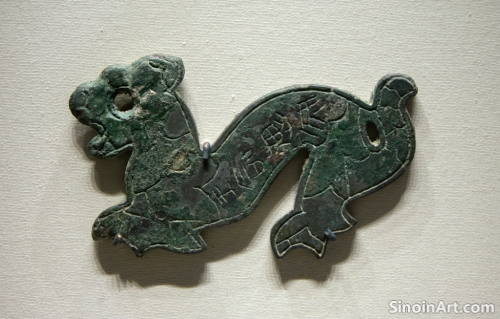 Bronze bells, chimes, and drums were also used to create music that accompanied ritual performances, which added both to the beauty and the symbolic power of these events. The music was often thought to have a direct connection with the heavens and also with the spirits of the ancestors.  The precision and detail in the creation of bronze ritual objects demonstrate the importance of adhering to specific guidelines and practices, emphasizing the power of tradition and symbolism in the creation of a meaningful ritual practice. The care and precision with which these pieces were made was an important element of the ritual itself. The study of bronze ware in ritual practices offers unique insights into the spiritual beliefs and practices of ancient Chinese society, and highlights the importance of ritual as a mechanism for social cohesion, personal transformation, and connection with both the past and the future. The continued study of these artifacts is essential to understanding the ritual practices of the period. |
Tag : bronze ritual practices, ancient sacrifices, Chinese ceremonies, ancestral offerings, spiritual rituals
Related information
- The Evolution of Bronze Bell Design in China: From Simple Forms to Complex Chimes
- Bronze Ware and the Development of Ancient Chinese Scientific Thought: Experimentation, Observation, and Knowledge
- Bronze Ware and the Development of Ancient Chinese Architecture: Design Principles and Construction Tools
- The Role of Bronze in Ancient Chinese Warfare: Strategies and Weapons
- The Preservation of Bronze Ware: The Impact of Environmental Factors and Storage Conditions
This article explores the evolution of bronze bell design in China, highlighting the transition from simple bells to complex bianzhong chimes, the development of tuning techniques, and their significance in both music and ritual.
This article explores how bronze ware played a role in the development of ancient Chinese scientific thought, highlighting its use in experimentation, observation, the creation of scientific instruments, and the preservation of knowledge, underscoring the connection between technology and the scientific understanding of the world.
This article explores the use of bronze in ancient Chinese architecture, highlighting its role in creating surveying tools, structural components, decorative elements, and demonstrating its importance in both design and construction.
This article explores the role of bronze in ancient Chinese warfare, highlighting the types of weapons, armor, and chariot fittings, and examining the strategies and tactics employed, revealing the military power of the era.
This article explores the impact of environmental factors and storage conditions on the preservation of Chinese bronze ware, highlighting the causes of corrosion, the role of humidity and pollutants, and the need for careful management of storage environments.