The Influence of Tang Dynasty Kaishu Calligraphy on Bronze Inscriptions
|
While bronze inscriptions reached a peak of prevalence during the Zhou Dynasty, the Tang Dynasty, known for its advancements in calligraphy, saw a notable shift in the style and aesthetic of bronze inscriptions, particularly reflecting the influence of Tang Kaishu script. The aesthetic ideals of calligraphy began to influence the way that inscriptions were carved in bronze. 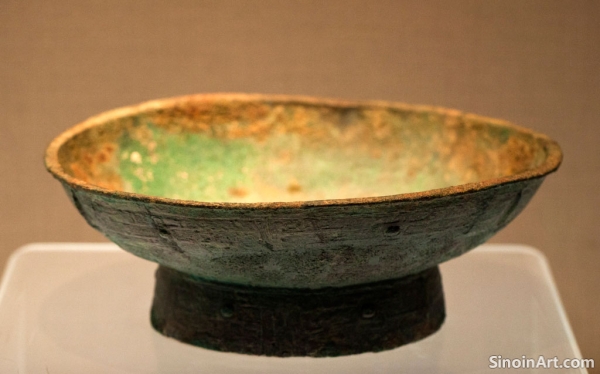 The elegant and structured forms of Tang Kaishu influenced the way that characters were carved on bronze objects, from dedicatory inscriptions on temple bells to more decorative text on mirrors and plaques. The influence of the elegant and precise style of Kaishu is very evident in the design of this era. The emphasis on clarity, precision, and elegance helped to shape the aesthetic of the new bronze works.  The precise brushstrokes and balanced compositions of Kaishu were adapted to the constraints of metal carving, often resulting in inscriptions that are both clear and artistically appealing. The transfer of these styles from brush to metal is a testament to the skill and expertise of the carvers of the era. The skills of both calligraphers and metalworkers are on display in this fusion of media.  The emphasis on aesthetic principles and refined craftsmanship during the Tang Dynasty also led to a greater appreciation for beauty and elegance in bronze inscriptions, transforming them from simple records into works of art in their own right. The emphasis on beauty and grace changed the way in which bronze inscriptions were viewed and created. The addition of elegance and artistic vision helped to change the status of the inscriptions. The study of bronze inscriptions from the Tang Dynasty reveals not only the stylistic changes that occurred during the period but also the interconnectedness of calligraphy, metalworking, and the aesthetic sensibilities of the time. The combination of different artistic approaches helped to make this a particularly creative and noteworthy period in Chinese history. |
Tag : Tang Dynasty inscriptions, Kaishu influence, bronze calligraphy, Chinese calligraphy, metal carving
Related information
- The Influence of Zhou Dynasty Ritual Bronzes on Later Chinese Art and Culture
- Bronze Ware and the Development of Ancient Chinese Calendar Systems: Marking Time and Ritual Cycles
- The Ethical Considerations of Collecting and Studying Ancient Chinese Bronze Ware
- The Development of Bronze in the Spring and Autumn Period: New Forms, Techniques, and Regional Styles
- The Bronze Bells of Ancient China: Harmony and Power in Sound
This article explores the lasting influence of Zhou Dynasty ritual bronzes on later Chinese art and culture, highlighting their impact on forms, designs, the importance of inscriptions, and the continued relevance of ritual and ancestral veneration.
This article explores the use of bronze in ancient Chinese calendar systems, highlighting its role in creating timekeeping devices like sundials, tracking the passage of time, and linking calendars to both agricultural and ritual cycles.
This article examines the ethical considerations of collecting and studying ancient Chinese bronze ware, highlighting issues of provenance, cultural heritage, responsible research methods, and the need for careful stewardship of these irreplaceable artifacts.
This article explores the development of bronze ware during the Spring and Autumn period, highlighting new forms, innovative techniques, and the rise of distinctive regional styles, reflecting the growing artistic diversity of the time.
This article explores the bronze bells of ancient China, highlighting their role as ritual instruments, their sophisticated construction, their use in sets (bianzhong), and their importance as symbols of power and harmony in Chinese culture.