Bronze Ware and the Development of Ancient Chinese Hydraulic Technology: Pumps, Pipes, and Control Mechanisms
|
While often discussed in the context of irrigation systems, bronze also played a role in the development of other aspects of ancient Chinese hydraulic technology, including the creation of pumps, water pipes, and other control mechanisms, all essential for managing water resources in both urban areas and also in large agricultural projects. The use of bronze helped to advance the science of water management and to improve both the quantity and the reliability of water resources. 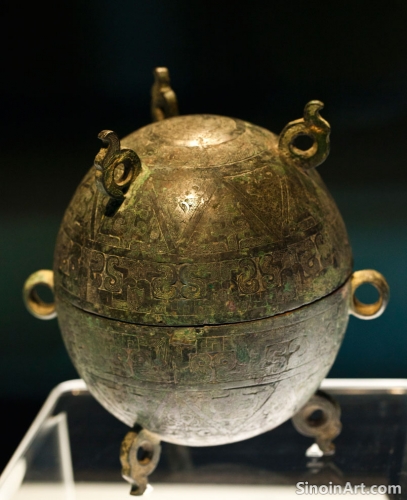 Bronze was used to create components for water pumps, which helped to lift and transport water from lower elevations to higher ones, and also for draining flooded areas, further highlighting the importance of these technologies in ancient China. The careful design and construction of these tools was essential for their reliable use. The presence of these bronze components also demonstrates a high level of technical and engineering skill. 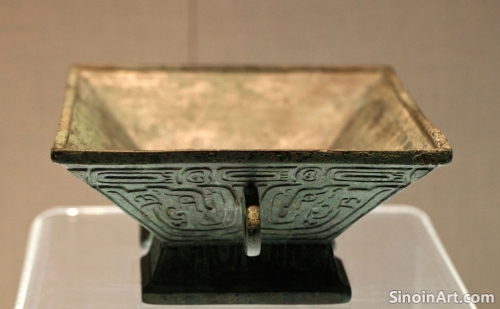 Bronze was also used to create durable and effective pipes and conduits for water distribution, allowing for the creation of complex water supply networks in cities and agricultural areas, and allowing for a reliable source of fresh water. The long-lasting properties of bronze made it ideal for use in the construction of long term water management systems. 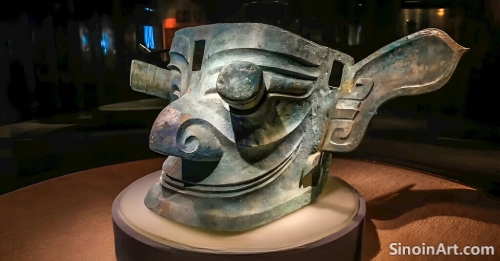 The ability to control water flow through the use of bronze valves and other hydraulic devices was a key technological advance, allowing for the implementation of more sophisticated irrigation and water management strategies. The combination of technological innovation and a high degree of scientific understanding helped to produce these remarkably efficient systems. |
Tag : bronze hydraulics, ancient China, water control, pumps, irrigation systems
Related information
- Bronze Ware and the Development of Ancient Chinese Writing Systems
- The Use of Bronze in Ancient Chinese Water Control: Dams, Canals, and Irrigation Systems
- Bronze Ware and the Development of Ancient Chinese Metallurgy: Innovations and Techniques
- Bronze Ware and Trade Networks in Ancient China: Exchange and Interaction
- The Role of Bronze in Ancient Chinese Storytelling: Depictions of Myths and Legends
This article explores the relationship between bronze ware and the development of ancient Chinese writing systems, highlighting the earliest forms of writing on bronze, the evolution of script styles, and the importance of these inscriptions in understanding early Chinese language.
This article explores the use of bronze in ancient Chinese water control systems, highlighting its role in creating durable components for dams, canals, and irrigation networks, and demonstrating its importance for agricultural development and water management.
This article explores the development of ancient Chinese metallurgy in relation to bronze ware production, highlighting the discovery and use of different metals, the creation of alloys, the development of casting techniques, and the technical achievements of ancient metalworkers.
This article explores the role of bronze ware in ancient Chinese trade networks, highlighting its importance as a trade commodity, its contribution to the exchange of cultural ideas, and its role in connecting different regions of China.
This article explores the role of bronze ware in ancient Chinese storytelling, highlighting how bronze objects depicted myths, legends, and heroic figures, and how they helped to preserve and transmit cultural narratives through a visual medium.