The Use of Bronze in Ancient Chinese Water Control: Dams, Canals, and Irrigation Systems
|
Beyond its use in ritual and military contexts, bronze also played a crucial role in ancient Chinese hydraulic engineering, enabling the construction of water control systems, dams, canals, and irrigation networks that were essential for agricultural productivity and economic development. The careful use of bronze helped to improve the efficiency and reliability of large-scale water management systems. The engineering skill that went into these systems is a testament to the creativity of ancient Chinese engineers and craftspeople.  Bronze was used to create durable components for water management systems, including pipes, valves, and water gates, allowing for better control of water flow and distribution. The careful design of these items helped to enhance the effectiveness of water distribution for both agricultural and also daily life requirements. The precision with which these components were constructed is a hallmark of ancient Chinese engineering. 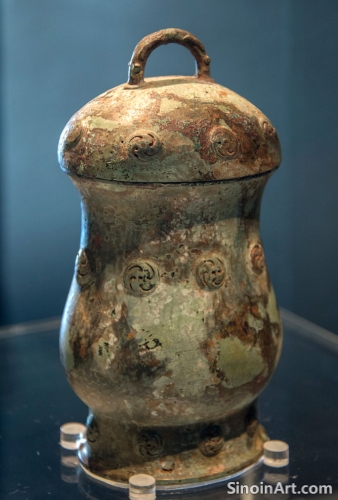 The use of bronze tools for surveying and construction was also essential for the design and implementation of large-scale irrigation projects. These tools were essential to ensure the long-term viability of these large-scale projects. The use of bronze made the design and execution of these projects much more reliable and effective. 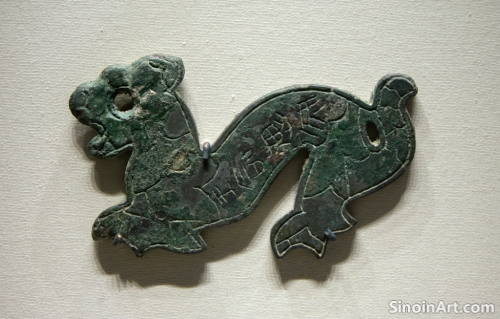 The creation of these sophisticated water management systems helped to transform the landscape of ancient China, enabling the cultivation of vast areas of land, and helping to support the growth of towns and cities. The management of water resources was a crucial aspect of both agricultural practices and also the rise of complex societies. The study of bronze in ancient Chinese water control helps to illuminate the technological advancements, the careful planning, and the human ingenuity that was needed for large-scale construction and development. The systems created during this era represent some of the most impressive achievements of ancient engineering. |
Tag : bronze water control, ancient irrigation, Chinese hydraulics, dam construction, water management
Related information
- Bronze Ware and the Development of Ancient Chinese Agriculture: Water Management and Irrigation Systems
- The Use of Bronze in Ancient Chinese Military Armor: Protection and Power on the Battlefield
- The Influence of Tang Dynasty Aesthetics on Later Bronze Ware Design
- The Future of Chinese Bronze Ware: New Discoveries, Research, and Interpretations
- The Impact of Bronze Ware on Ancient Chinese Burial Customs: Ritual Objects and the Afterlife Journey
This article explores the use of bronze in ancient Chinese agriculture, highlighting its role in creating water management systems, irrigation components, and other implements that were essential for increasing agricultural productivity and supporting a growing population.
This article explores the use of bronze in ancient Chinese military armor, highlighting the types of helmets and armor plating, and how bronze was used to provide both protection and power on the battlefield.
This article explores the influence of Tang Dynasty aesthetics on later bronze ware design, highlighting the shift toward more refined forms, delicate decorations, naturalistic motifs, and how these changes reflected a broader change in cultural tastes.
This article explores the future of Chinese bronze ware studies, highlighting the potential for new discoveries, the use of advanced scientific techniques, new theoretical approaches, and how ongoing research will continue to enrich our understanding of these remarkable artifacts.
This article explores the impact of bronze ware on ancient Chinese burial customs, highlighting their role as grave goods, their connection to beliefs about the afterlife, and how they reflect the status and spiritual needs of the deceased.