Bronze Ware and the Development of Ancient Chinese Agriculture: Water Management and Irrigation Systems
|
While often discussed in relation to tools, bronze also played a critical role in developing large-scale water management systems, and these systems were essential to supporting ancient Chinese agriculture. The use of bronze in the production of pipes, valves, and other components helped to make agricultural production more efficient, more reliable, and more secure. The management of water resources through bronze technology was key to the growth and success of ancient China. 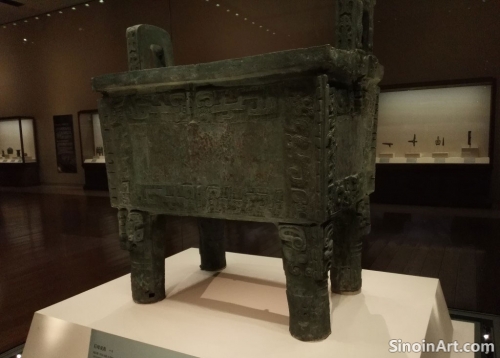 Bronze was used to create durable and precise components for dams, canals, and other irrigation systems, providing reliable mechanisms for controlling the flow of water. The careful design of these water management tools demonstrates a deep understanding of engineering principles. The use of these new technologies helped to increase both the productivity and reliability of water management systems. 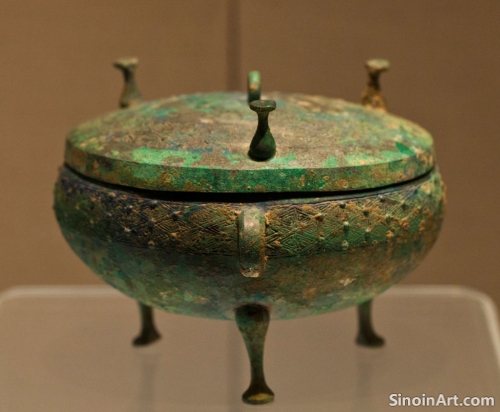 Bronze was also used in the construction of water wheels and other hydraulic devices that helped to lift and distribute water across the land. The use of these bronze components helped to reduce the amount of manual labor involved in large-scale irrigation projects. The careful management of water resources made agriculture more stable and reliable. 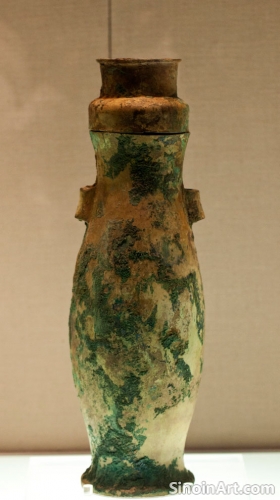 The improved management of water resources helped to transform ancient Chinese agriculture, allowing for the expansion of cultivated land, the production of higher yields, and the growth of larger, more stable settlements. The increased productivity of agriculture helped to fuel both economic and population growth. The careful management of water also helped to solidify social and political structures. |
Tag : bronze irrigation, Chinese agriculture, ancient water control, hydraulic systems, farming tools
Related information
- The Taotie Motif: Unraveling the Mystery of the Shang Bronze Beast
- The Bronze Masks of Sanxingdui: Exploring Ritual, Transformation, and the Unseen Realm
- The Ethical Considerations of Collecting and Studying Ancient Chinese Bronze Ware
- The Use of Bronze in Ancient Chinese Musical Instruments: Exploring Tonality and Harmony
- The Ethical Implications of Owning and Displaying Looted Chinese Bronze Ware
This article explores the taotie motif found on Shang Dynasty bronzes, discussing its composite features, the various interpretations of its symbolic meaning, its evolution over time, and its significance in understanding the Shang worldview.
This article delves deeper into the bronze masks of Sanxingdui, exploring their unique characteristics, their role in ritual performances, their connection to the spirit world, and the insights they provide into the distinct religious beliefs of the ancient kingdom of Shu.
This article examines the ethical considerations of collecting and studying ancient Chinese bronze ware, highlighting issues of provenance, cultural heritage, responsible research methods, and the need for careful stewardship of these irreplaceable artifacts.
This article explores the use of bronze in ancient Chinese musical instruments, highlighting the precise tuning, the exploration of tonality and harmony, and how these instruments reflected both musical practices and the advanced understanding of acoustics during the period.
This article examines the ethical implications of owning and displaying looted Chinese bronze ware, emphasizing the need for responsible collecting practices, respect for cultural heritage, and a careful understanding of provenance.