The Ethical Implications of Owning and Displaying Looted Chinese Bronze Ware
|
The possession and display of looted or illegally obtained Chinese bronze ware raises important ethical questions, particularly with regard to cultural heritage, provenance, and the responsibility of collectors and museums. The careful consideration of the history of these objects is an essential aspect of ethical ownership. 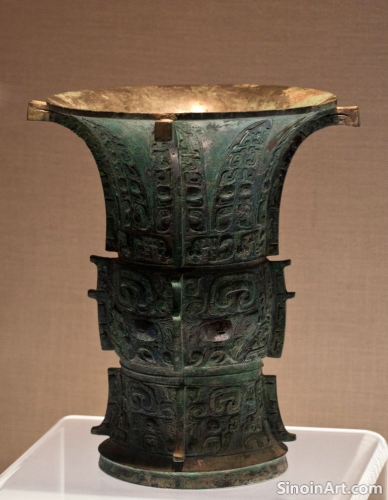 The removal of bronze artifacts from their original archaeological context results in a loss of valuable information and damages the cultural heritage of China. The unearthing and removal of these items from their original sites is a great loss to both the archaeological and artistic worlds. These objects also often become removed from their cultural and historical meaning, and are often reduced to mere commercial objects.  The display of looted or illegally obtained bronze ware can also perpetuate unethical collecting practices, encouraging further looting and damaging the integrity of archaeological sites. The display of illegally obtained pieces is often a powerful incentive for further looting and illegal acquisition. The support for these illegal activities should be carefully considered.  The responsibility of collectors and museums is to ensure that all acquisitions of bronze ware are properly documented, ethically sourced, and displayed with respect for their cultural and historical significance. This careful adherence to ethical and legal codes is essential for the responsible collection and study of these pieces. The study and display of Chinese bronze ware requires a constant awareness of the ethical dimensions of provenance, ownership, and cultural heritage, ensuring that these treasures are properly preserved and understood with respect and care. The care taken in the display and the provenance of these works is essential to the responsible treatment of cultural treasures. |
Tag : looted bronze, artifact ownership, museum ethics, cultural heritage, provenance
Related information
- Bronze Ware and the Representation of Power in Ancient Chinese Royal Tombs: Scale, Detail, and Symbolism
- The Use of Bronze in Ancient Chinese Religious Practices: Temple Offerings and Sacred Spaces
- The Preservation of Bronze Artifacts: Understanding the Chemistry of Corrosion and Deterioration
- Bronze Ware as Grave Goods: Status, Belief, and the Afterlife
- The Preservation of Bronze Ware: Balancing Scientific Methods with Artistic Understanding
This article explores the use of bronze ware in ancient Chinese royal tombs, highlighting its role in conveying power and wealth, its use of scale and detail, its symbolic designs, and how these objects were intended to ensure the continued recognition of the deceased in the afterlife.
This article explores the use of bronze in ancient Chinese religious practices, highlighting its role in creating temple offerings, musical instruments, and other objects used to create sacred spaces and to facilitate communication with the divine.
This article explores the chemistry of bronze corrosion and deterioration, highlighting the scientific principles behind conservation efforts, and the methods and techniques used to stabilize and preserve these artifacts for future generations.
This article explores the use of bronze ware as grave goods in ancient China, highlighting its connection to beliefs about the afterlife, the social status reflected in the types and quantities of objects, and how the placement of these objects reveals insights into ritualistic practices.
This article explores the preservation of Chinese bronze ware, highlighting the balancing act between scientific analysis and artistic understanding, the need for specialized techniques and ethical considerations, and also the need to provide access and ensure their long-term care.