Bronze Ware and Ancient Chinese Mythology: Exploring the Interplay Between Myth, Art, and Ritual
|
The use of mythological imagery on Chinese bronze ware was a powerful way of connecting these objects with the realm of the supernatural, with dragons, phoenixes, taotie, and other fantastic creatures becoming both recognizable symbols and also powerful tools for ritual and artistic expression. The interplay between the real and the imagined was a key element of ancient Chinese art, belief, and culture.  The integration of mythological beings into bronze designs helped to transform these objects into vehicles for communication with the gods, spirits, and ancestors, enhancing their power and their ability to access the spiritual realm. The use of these mythological figures helped to create a connection with both the natural and also the supernatural world. These symbols helped to establish a spiritual and powerful context for the use of these artifacts. 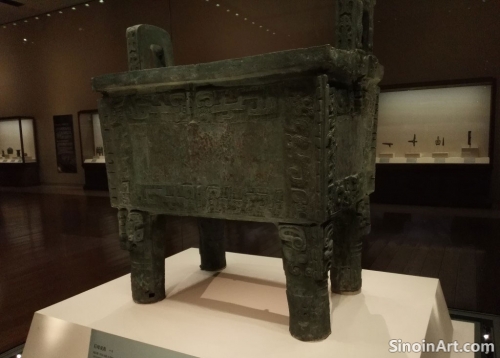 The use of these myths helped to transmit shared cultural beliefs, moral values, and cosmological understandings, and thereby reinforcing the cultural and spiritual life of the region, while also creating connections with the past. The stories depicted on these objects helped to shape and codify the values of the time. 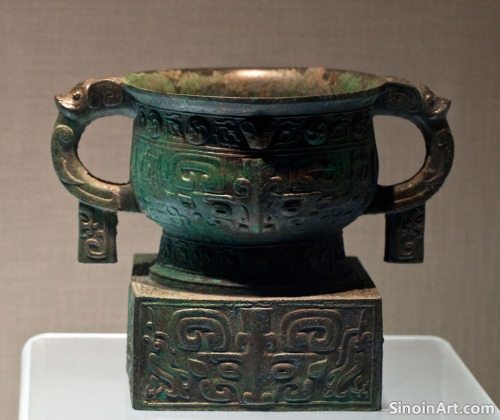 The ongoing exploration and interpretation of the mythological imagery found on bronze ware continues to reveal new insights into the complex religious practices and belief systems of ancient China, providing a unique view into the minds and spirits of the people who created these objects. The symbols and mythology depicted on these pieces helps us to more fully understand the context of their original creation and use. |
Tag : bronze mythology, Chinese myths, mythical beasts, religious symbols, supernatural beings
Related information
- The Ritual Vessels of the Shang Dynasty: Power and Symbolism in Bronze
- The Enduring Appeal of Chinese Bronze Ware: Timeless Art and Cultural Legacy
- The Use of Bronze in Ancient Chinese Writing: Brushes, Ink Stones, and Calligraphy Tools
- Bronze Ware and the Development of Ancient Chinese Writing Styles: A Visual Record of Language Evolution
- Bronze Ware and the Development of Ancient Chinese Metallurgy: Innovations and Techniques
This article focuses on the ritual vessels of the Shang Dynasty, exploring their role in ancestral rites, their symbolic designs including the taotie, and highlighting the remarkable craftsmanship of the bronze workers.
This article emphasizes the enduring appeal of Chinese bronze ware, highlighting its timeless beauty, its blend of function and symbolism, its ability to connect us with the ancient world, and the importance of continued study and preservation for future generations.
This article explores the use of bronze in creating writing tools, highlighting brush rests, ink stones, and writing knives, and demonstrating the connection between bronze and the art and practice of writing in ancient China.
This article explores how inscriptions on bronze ware provide a visual record of the evolution of ancient Chinese writing styles, highlighting the influence of the medium on script forms, layout, and the development of calligraphic principles.
This article explores the development of ancient Chinese metallurgy in relation to bronze ware production, highlighting the discovery and use of different metals, the creation of alloys, the development of casting techniques, and the technical achievements of ancient metalworkers.