The Development of Bronze Mirrors in the Han Dynasty: New Styles and Social Significance
|
The Han Dynasty (206 BCE – 220 CE) saw further developments in the production and use of bronze mirrors in China, characterized by new styles, designs, and increased social significance. The mirrors of the Han period offer a clear look at the art, culture, and daily life of the time. The development of new forms and styles also reveals new approaches to ancient Chinese art. 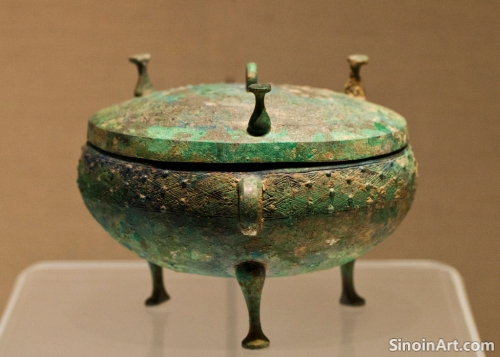 Han Dynasty mirrors often featured intricate designs, including depictions of mythical creatures, geometric patterns, and scenes from daily life. These intricate details demonstrate a new level of care and craftsmanship. The designs often reflected the tastes of the era and the aspirations of the ruling class. 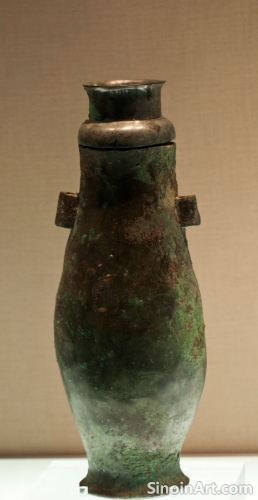 Han Dynasty mirrors often incorporated the concepts of the "Five Elements" and other cosmological theories, reflecting the intellectual and philosophical currents of the time. The integration of these intellectual and spiritual elements is a key component of the style of the time. These mirrors help us to understand how different aspects of life influenced artistic styles. 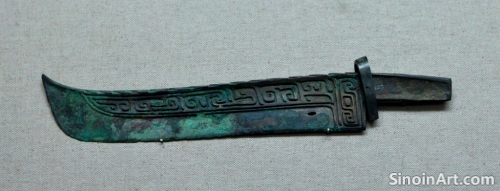 Bronze mirrors were an important status symbol during the Han Dynasty, often gifted among the elite and included in tombs as grave goods. Their inclusion in tombs reflects the importance of both social status and also beliefs about the afterlife. The giving and receiving of gifts of mirrors became a well-established social custom. The study of Han Dynasty bronze mirrors provides valuable insights into the material culture, social practices, and aesthetic ideals of the period, helping to make a connection to a long gone and very different era. The mirrors help to provide a valuable insight into the social, cultural, and artistic world of the era. |
Tag : Han Dynasty mirrors, bronze artifacts, ancient Chinese art, mirror symbolism, metalwork history
Related information
- Exploring Chinese Bronze Ware: A Guide for Beginners
- The Legacy of Chinese Bronze Ware: Its Influence on Later Art Forms
- The Bronze Bells of Ancient China: Harmony and Power in Sound
- Bronze Ware and Ancient Chinese Textile Production: Tools, Weights, and Decorative Embellishments
- The Evolution of Bronze Mirror Design: From Early Simplicity to Ornate Patterns and Narrative Scenes
This article provides a guide for beginners to the study of Chinese bronze ware, outlining key periods, types of objects, common motifs, and providing a roadmap for a deeper exploration of this fascinating art form.
This article explores the enduring legacy of Chinese bronze ware, highlighting its influence on later forms of Chinese art, including ceramics, painting, and sculpture, with particular emphasis on the enduring impact of bronze forms, motifs, and aesthetic principles.
This article explores the bronze bells of ancient China, highlighting their role as ritual instruments, their sophisticated construction, their use in sets (bianzhong), and their importance as symbols of power and harmony in Chinese culture.
This article explores the use of bronze in ancient Chinese textile production, highlighting its role in creating tools, weights, and decorative elements, and showing how bronze helped to improve the efficiency and also the artistic expression in textile manufacturing.
This article explores the evolution of bronze mirror design in ancient China, highlighting the shift from simple forms to more complex designs, including the use of intricate patterns, symbolic imagery, and narrative scenes, demonstrating the interplay between art, technology, and cultural change.