The Legacy of Chinese Bronze Ware: Its Influence on Later Art Forms
|
The enduring legacy of Chinese bronze ware extends far beyond its own time, influencing later forms of Chinese art, including ceramics, painting, and sculpture. The forms, designs, and aesthetic principles established during the bronze age continued to inspire artists for centuries. The influence of the bronze era is still felt in modern Chinese art.  The forms and shapes of early bronze vessels, such as the ding, gui, and zun, were often replicated in ceramics and other materials, showcasing the lasting influence of the bronze style. The style of the bronze vessels became highly influential throughout the history of Chinese art. These forms served as a foundation for later artistic forms. 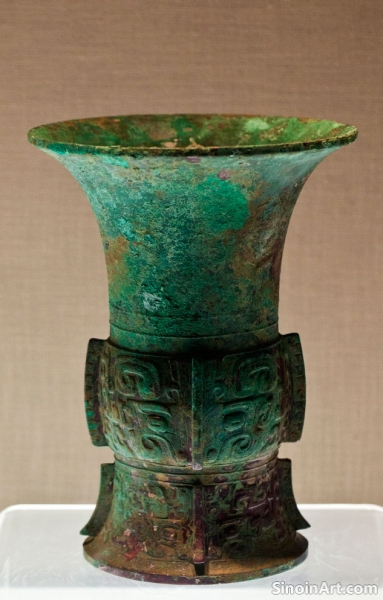 The motifs and patterns used on bronze ware, such as the taotie, dragons, and phoenixes, also continued to appear in later art forms, often with slight variations and interpretations. The symbols and motifs have continued to be influential in Chinese art for centuries. The power of the ancient symbols continues to be a creative force.  The emphasis on balance, symmetry, and intricate detail, which are hallmarks of Tang bronze ware, also influenced the development of Chinese calligraphy and painting. The underlying design principles of bronze work influenced later artistic endeavors. The use of design principles helped to shape later styles of art. The legacy of Chinese bronze ware is a testament to its enduring beauty and its profound impact on the development of Chinese artistic traditions. The beauty and complexity of the works of the bronze era have continued to inspire artists for centuries. The legacy of this artistic movement is still relevant today. |
Tag : bronze ware influence, Chinese art legacy, taotie in later art, ceramic forms, ancient designs
Related information
- The Use of Bronze in Ancient Chinese Warfare: Fortification and Siege Technology
- The Enduring Allure of Chinese Bronze Ware: A Source of Inspiration and Study
- The Use of Bronze in Ancient Chinese Ritual Masks: Power, Transformation, and the Spirit World
- Unveiling Ancient China: An Introduction to Chinese Bronze Ware
- The Role of Bronze in Ancient Chinese Warfare: Strategies and Weapons
This article explores the use of bronze in ancient Chinese warfare beyond weapons and armor, highlighting its role in fortifications, the creation of siege engines, and demonstrating its importance in military strategy and defense.
This article reflects on the enduring allure of Chinese bronze ware, highlighting its technical skill, artistic beauty, historical significance, and the importance of its study and preservation for future generations.
This article explores the use of bronze ritual masks in ancient China, highlighting their dramatic designs, their role in invoking spirits, and how the act of wearing these masks facilitated transformation and connection with the spirit world.
This article provides an introduction to Chinese bronze ware, exploring their creation, functions, cultural significance, and their enduring legacy as symbols of ancient China’s artistry and technological achievement.
This article explores the role of bronze in ancient Chinese warfare, highlighting the types of weapons, armor, and chariot fittings, and examining the strategies and tactics employed, revealing the military power of the era.