Xieyi and the Influence of Poetry
|
The relationship between Xieyi painting and poetry is a close one, with many literati artists viewing these two art forms as intertwined expressions of personal feeling, thought, and their understanding of the world. Poetry is often considered the heart of the Chinese arts and has had a profound influence on Xieyi’s expression. 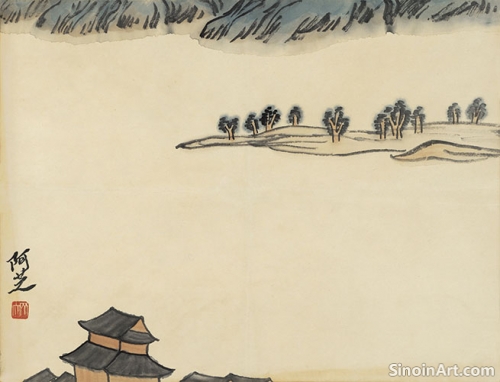 Many literati painters were also skilled poets, incorporating verses directly into their paintings, adding a layer of meaning and enhancing the visual impact. The poetry often provides context and guides the viewer's understanding of the artwork. The painting and poetry are often intended to complement each other. 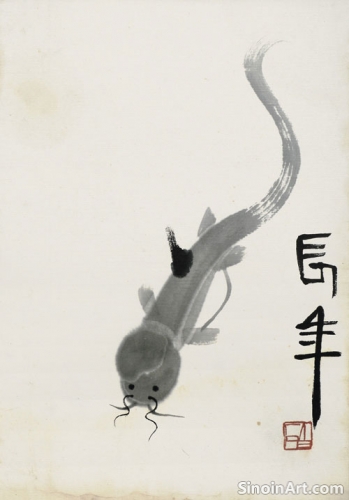 The same principles of rhythm, balance, and expression that are valued in poetry are also valued in Xieyi painting. The artist aims to create a visual rhythm that mirrors the rhythms of the natural world and to express their personal feelings with clarity and concision. Both aim to distill down the essence of an idea. 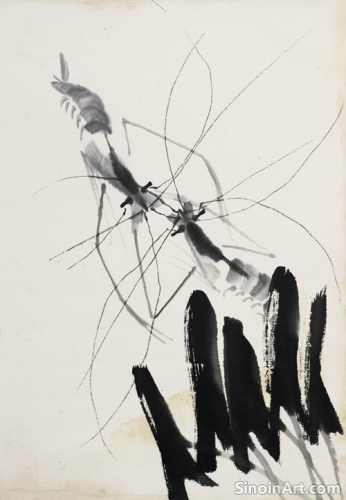 Xieyi painting, like poetry, often uses symbolic language to convey meaning. Certain subjects, such as plum blossoms, bamboo, or birds, are imbued with specific cultural and emotional connotations, allowing artists to express complex ideas through seemingly simple imagery. The visual symbols are often aligned to poetic metaphor. The emphasis on personal expression in both Xieyi and poetry aligns with the literati ideal of art as a vehicle for self-cultivation and self-expression. The artist seeks to share their inner world with others through their art, creating a bridge between minds and hearts. It's a form of personal and creative dialogue. |
Tag : Poetry and painting, literati art, poetic inspiration, Chinese verse, art symbolism
Related information
- Xieyi Painting and the Concept of 'Yi'
- Modern Interpretations and Contemporary Xieyi
- The Legacy and Future of Xieyi Painting
- Xieyi Painting and the Use of "Splash Ink"
- The Influence of Literati Painting on Xieyi
'Yi' is a central concept in Xieyi painting, referring to the inner intent, meaning, and spirit that the artist aims to convey, emphasizing intuitive expression, suggestive imagery, and the viewer's active participation in interpreting the artwork.
Modern Xieyi painting is adapting to contemporary contexts through incorporating new techniques, subject matter, and philosophical ideas, while remaining grounded in the core principles of spontaneity, expression, and the pursuit of qi, and pushing its boundaries into the modern art world.
Xieyi painting, with its rich history and unique aesthetic, continues to hold significance and inspire artists, influencing contemporary art globally, ensuring the continuation of its traditions, and its continued evolution and relevance as it continues to express cultural values and universal truths, making it an enduring art form.
"Splash Ink" (pōmò) is a bold and expressive Xieyi technique, involving the free and spontaneous application of ink to create large washes and evoke movement and dynamism, emphasizing the unpredictable nature of ink and water and strategically used to create balance, depth, and vitality.
Xieyi painting is deeply influenced by the tradition of literati painting, emphasizing personal expression, calligraphic brushwork, the blending of poetry and painting, and the pursuit of simplicity and naturalness.