Xieyi Painting and the Concept of "Gu Yi"
|
"Gu Yi" (古意), often translated as "ancient intention," "old meaning," or "spirit of the ancients," is a crucial concept in understanding the appreciation and interpretation of Xieyi painting. It refers to the artist's conscious engagement with the traditions, styles, and values of past masters, seeking to create work that honors and resonates with the legacy of the art form. It's about connecting to the past, but also using those connections to create something new and relevant. 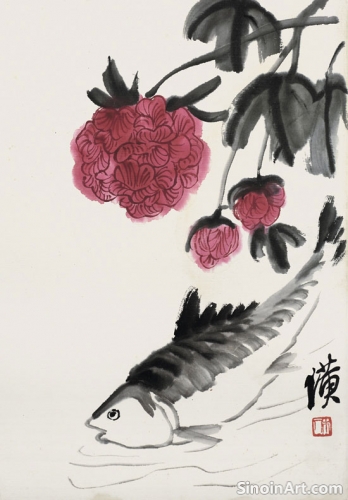 The pursuit of "Gu Yi" is not about simply copying past styles but about absorbing the spirit, the intent, and the underlying principles that guided the masters of Xieyi. It’s about understanding the past masters, and using that knowledge to build something new that is in conversation with that history. The goal is not to recreate, but to learn from and build upon the foundations of the past. 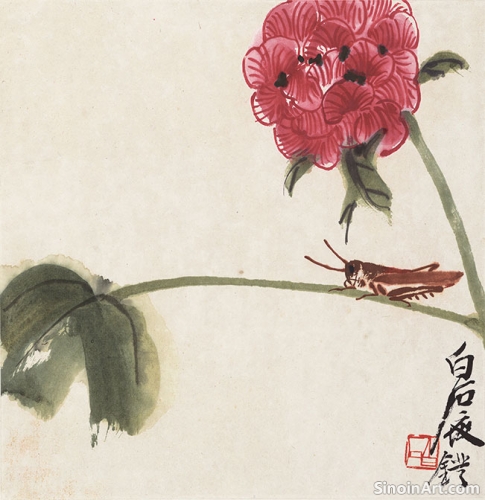 An artist seeking "Gu Yi" often studies the works of the old masters, analyzing their brushwork, composition, and use of ink, seeking to understand the deeper meanings that are embedded in their art. This careful study provides a deeper understanding of the art form and its potential. This careful study provides a foundation for artistic innovation. 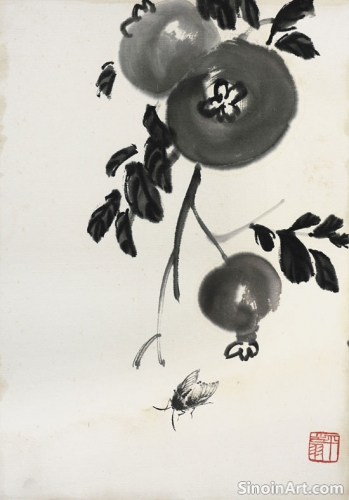 The concept of "Gu Yi" also implies a respect for tradition and a deep understanding of the cultural and philosophical context in which Xieyi painting emerged. It’s not just about technical skills, but also an understanding of the cultural, historical, and philosophical traditions that underpin the art form. This grounding in tradition allows for more nuanced expression. Ultimately, the pursuit of "Gu Yi" in Xieyi is about creating art that transcends time, speaking to both the past and the present, while also contributing to the ongoing evolution of this enduring tradition. It allows one to see how the past and present are both interconnected. This continuity ensures that the traditions remain alive and dynamic. |
Tag : ancient intention, traditional spirit, old meaning, Xieyi legacy
Related information
- Xieyi Landscape Painting: Capturing the Spirit of Nature
- Xieyi Painting and the Concept of 'Yi'
- Xieyi Painting and the Depiction of Landscapes
- Xieyi Painting and the Expression of Loneliness
- Xieyi and the Concept of Spontaneity
Landscape painting (山水画, shanshuihua) is a major theme in Xieyi, reflecting a deep reverence for nature. Artists seek not to replicate realistic views, but to capture the essence and spirit of the natural world. They aim to evoke a feeling of vastness, serenity, and harmony.
'Yi' is a central concept in Xieyi painting, referring to the inner intent, meaning, and spirit that the artist aims to convey, emphasizing intuitive expression, suggestive imagery, and the viewer's active participation in interpreting the artwork.
Xieyi landscapes (shānshuǐ) emphasize grandeur, depth, and qi, using negative space and suggestive brushstrokes to capture the essence, atmosphere, and inner vitality of the natural world, and expressing the artist’s connection to nature and understanding of the Tao.
Xieyi painting powerfully expresses loneliness through suggestive compositions, vast negative space, solitary subjects, muted colors, and a sense of introspection, exploring solitude and the human condition, evoking melancholy and longing, and providing a space for contemplation and self-reflection.
Spontaneity is crucial in Xieyi painting, reflecting the emphasis on intuition, direct experience, and the expression of immediate feelings, allowing the artist to embrace imperfections and work in the moment, aligning with the principles of Chan Buddhism.