The Use of Color in Xieyi Painting
|
While often associated with the monochrome world of black ink, color does play a role in Xieyi painting, though typically in a more subtle and suggestive way than in other painting traditions. The use of color is often deliberate and designed to enhance the overall mood, meaning, and aesthetic effect of the artwork. It is carefully employed for specific effects. 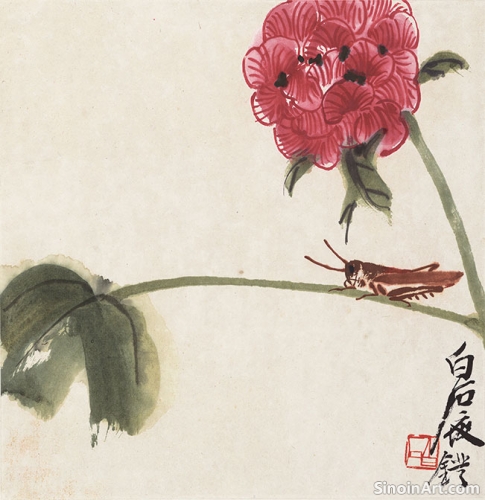 Color in Xieyi is often applied in light washes, allowing the white of the paper to show through, creating a luminous and ethereal effect. The artist does not strive for realism, using color as a way to suggest form, texture, and atmosphere rather than literally representing these qualities. This approach allows for subtle nuances. 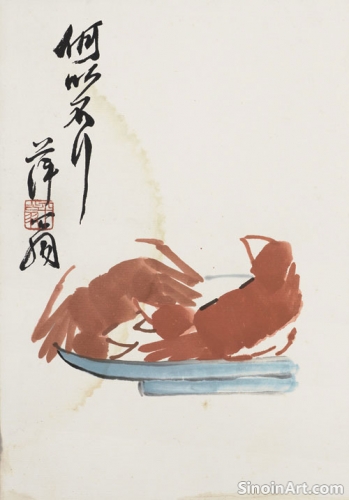 The use of color is often symbolic, with different colors carrying specific cultural connotations. Red, for example, may represent happiness and good fortune, while blue may be associated with melancholy or tranquility. The colors are not simply applied for their beauty, they also hold symbolic meanings. 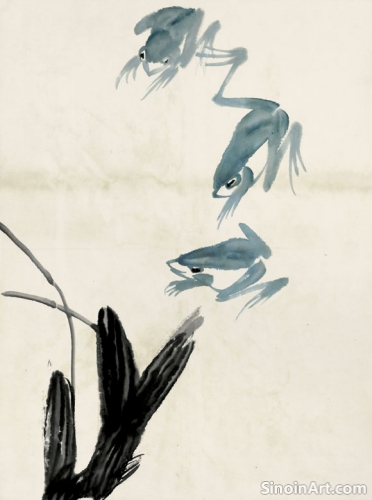 Color is often used sparingly, acting as an accent to enhance specific areas of the painting, drawing the viewer’s eye and adding visual interest. The balance between color and monochrome creates a striking contrast, and can elevate the overall composition. This limited use of color often enhances its impact. The intentional use of color adds depth and complexity to Xieyi paintings, allowing artists to express a range of emotions and to convey subtle nuances of meaning. The selective use of color is an essential part of the language of Xieyi painting and can greatly influence the overall mood and impact of the work. |
Tag : Color in Xieyi, Chinese color art, ink wash color, subtle colors, Chinese art hues
Related information
- Xieyi Painting and the "Spirit of the Brush"
- Modern Interpretations and Contemporary Xieyi
- Xieyi Painting and the Expression of Emotion
- The Use of Ink and Water in Xieyi Technique
- The Legacy and Future of Xieyi Painting
"Spirit of the Brush" (bǐyì) is central to Xieyi, emphasizing the unique expressive quality and energy that emanates from the brushstrokes, reflecting the artist's inner state, personal vision, and technical mastery, with each brushstroke imbued with intention, life, and a sense of spontaneity.
Modern Xieyi painting is adapting to contemporary contexts through incorporating new techniques, subject matter, and philosophical ideas, while remaining grounded in the core principles of spontaneity, expression, and the pursuit of qi, and pushing its boundaries into the modern art world.
Xieyi painting is a powerful medium for expressing a wide range of emotions through brushstrokes, ink washes, subject matter, and the artist's state of mind, connecting with viewers on a deeply human and emotional level.
The control of ink and water is fundamental to Xieyi painting, allowing for a vast range of tonal values, textures, and expressive effects. Understanding how these elements interact is essential to mastering the techniques.
Xieyi painting, with its rich history and unique aesthetic, continues to hold significance and inspire artists, influencing contemporary art globally, ensuring the continuation of its traditions, and its continued evolution and relevance as it continues to express cultural values and universal truths, making it an enduring art form.