Unveiling the Techniques of Gongbi: A Step-by-Step Guide
|
The creation of a Gongbi painting is a journey demanding meticulous skill and patience. It's not merely about splashing colors onto a surface; it's a carefully orchestrated process that involves several distinct stages. Understanding these steps is crucial to appreciating the depth and complexity of this art form. From the initial sketch to the final touch of color, each stage requires precision and attention to detail. This dedication is what transforms a simple outline into a breathtaking work of art. 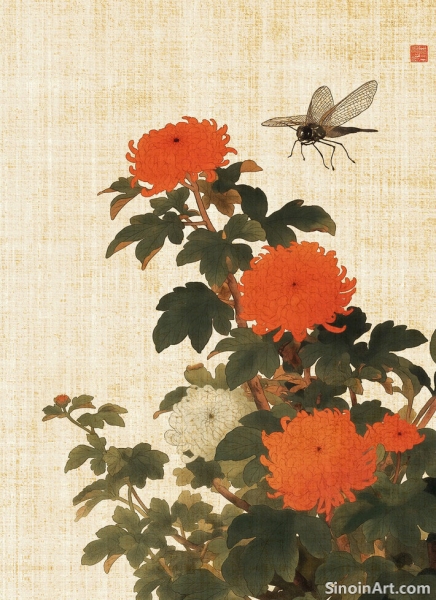 The first step in the Gongbi process involves sketching the subject. This is often done using light charcoal or a fine pencil, focusing on accurately capturing the shape, proportion, and pose of the subject. This initial sketch serves as a roadmap for the rest of the painting. Once satisfied, the artist meticulously traces over the sketch with ink using a fine brush. This inked outline is the backbone of the painting and sets the stage for the detailed color work to follow. The ink used is typically a black ink made from soot and glue, specifically formulated for painting on silk or paper.  The next critical step involves layering color. Unlike Western oil or acrylic painting where colors are often mixed on a palette, Gongbi painting involves layering thin washes of color. The artist starts with light colors, gradually building up the intensity and depth with subsequent layers. The colors are typically mineral-based pigments, which give a unique vibrancy and translucency to the final artwork. Each layer must be applied carefully, avoiding any pooling or bleeding. The patience and attention to detail required during this stage cannot be overstated. 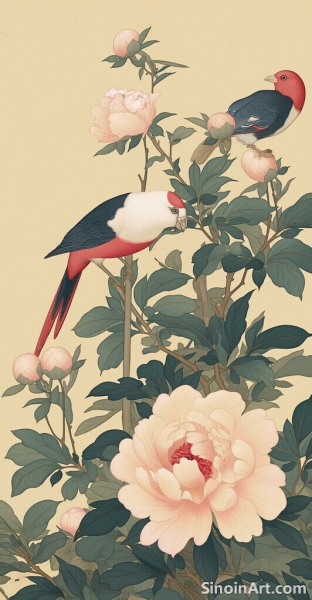 Shading and blending are vital techniques used to create a sense of volume and realism in a Gongbi painting. By strategically applying lighter and darker shades, the artist can create the illusion of depth and dimension, making the subject appear almost three-dimensional. The artist must also master the art of blending the edges of the color washes to ensure smooth transitions. This requires a very delicate hand and an acute understanding of how different colors interact with each other. The final stages of a Gongbi painting involve adding details, such as fine lines for texture, highlights for added dimension, and sometimes finishing with gold or silver paint to emphasize certain elements. This is where the intricate nature of Gongbi painting truly shines. The artist pays meticulous attention to every tiny detail, from the delicate veins of a leaf to the subtle patterns of a bird's feathers. It is this dedication to detail that gives Gongbi paintings their exquisite beauty and lasting appeal. |
Tag : Gongbi Painting Techniques, Chinese Painting Process, Layering Color, Ink Outlining, Traditional Art Methods
Related information
- Gongbi Painting and the Influence of Taoist Philosophy
- Gongbi and the Use of Calligraphy in Composition
- Gongbi Painting and the Influence of Chinese Poetry
- The Role of Line in Gongbi: Structure and Expression
- The Future of Gongbi: Innovation and Tradition
This article explores the influence of Taoist philosophy on Gongbi painting, highlighting how the art form reflects Taoist ideals of harmony with nature, balance, mindfulness, and simplicity, adding a deeper layer of spiritual and philosophical significance to the artworks.
This article explores the integration of calligraphy into Gongbi painting, highlighting how it balances the composition, adds context, provides literary depth, and enhances the overall aesthetic and cultural significance of the artwork.
This article explores the influence of Chinese poetry on Gongbi painting, highlighting the shared themes, imagery, and symbolic language, and how this connection enhances the literary and artistic impact of the artwork.
This article focuses on the importance of line in Gongbi painting, detailing the "gougou" outlining method, the variation in line weight, and the use of lines to convey structure and expression in the artwork.
A look at the future of Gongbi painting, focusing on innovation, technology, and the importance of preserving traditional skills.