The Use of Gilding and Metallic Pigments in Gongbi
|
Gilding and the use of metallic pigments are techniques often employed in Gongbi painting to add a sense of luxury, opulence, and spiritual significance. These elements, carefully applied, create a luminous quality and enhance the visual impact of the artwork. These embellishments help to elevate the impact of the works beyond just a simple painting. 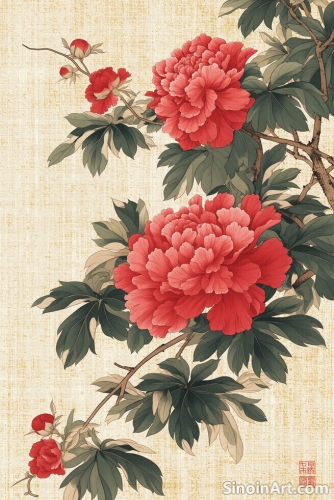 Gilding, which involves the application of gold leaf to the surface of the painting, is often used to highlight specific details or create intricate patterns. The radiant quality of gold creates a sense of richness and visual contrast, enhancing the spiritual and symbolic nature of the subject. The use of gold leaf adds both a visual and symbolic element to the works. 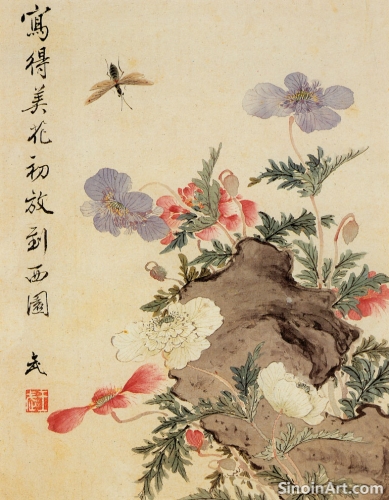 The use of metallic pigments, such as silver or bronze, also adds a reflective and luminous quality to Gongbi paintings. These pigments are often used to depict clothing, armor, or architectural details, adding a sense of depth and realism. The use of metallic pigments transforms flat surfaces into dimensional and reflective objects.  The application of gilding and metallic pigments requires a high degree of skill and precision. The artists must carefully prepare the surface and apply these elements evenly to create a smooth and consistent finish. This process is both delicate and time-consuming and requires the artist to master yet another technique. Beyond their aesthetic value, gilding and metallic pigments often carry symbolic meanings, often associated with divinity, wealth, and status. The use of these embellishments not only enhances the visual impact but also enriches the spiritual and cultural meaning of the artwork. The use of these pigments adds both beauty and symbolism. The use of gilding and metallic pigments demonstrates the artist's mastery of traditional techniques and their understanding of the cultural and symbolic language of Gongbi painting. These embellishments elevate the work beyond a simple painting and into a more meaningful cultural expression. |
Tag : Gilding in art, metallic pigments, Gongbi techniques, gold leaf painting, Chinese art embellishments
Related information
- The Depiction of Flowers and Birds in Gongbi: A Symbolism Unveiled
- Learning Gongbi: Steps for Aspiring Artists
- Gongbi Painting and its Place in Contemporary Art Discourse
- Gongbi Painting and the Art of Miniature
- The Role of Line in Gongbi: Structure and Expression
This article explores the depiction of flowers and birds in Gongbi painting, focusing on their symbolic meanings, the techniques used in their rendering, and their role in conveying both beauty and cultural narratives.
This article provides a guide for aspiring Gongbi artists, outlining the steps involved in learning the art form, including mastering brushwork, outlining, color application, understanding traditional motifs, and the importance of patience.
This article explores the place of Gongbi painting in contemporary art discourse, highlighting how artists are using the art form to address modern concerns, engage with tradition, and contribute to a wider global artistic conversation.
This article explores the art of miniature Gongbi painting, highlighting the challenges, specialized techniques, subject choices, and how these tiny works demonstrate the artists’ skill and ability to capture detail and beauty on a small surface.
This article focuses on the importance of line in Gongbi painting, detailing the "gougou" outlining method, the variation in line weight, and the use of lines to convey structure and expression in the artwork.