The Depiction of Flowers and Birds in Gongbi: A Symbolism Unveiled
|
Flowers and birds are among the most beloved subjects in Gongbi painting, representing not just natural beauty but also a deep well of cultural symbolism. Each flower and bird is chosen for its specific qualities and associations, enriching the meaning and depth of the artwork. The meticulous rendering of these subjects, with their delicate details and vibrant colors, elevates them beyond mere representations of nature.  Flowers in Gongbi are often chosen for their symbolic meanings. The plum blossom, for example, is associated with perseverance and resilience, as it blooms in winter. The peony, often referred to as the "king of flowers," represents wealth and prosperity. The lotus, symbolizing purity and enlightenment, is another common subject. The artist's choice of flower is a conscious decision that contributes to the overall message of the painting. 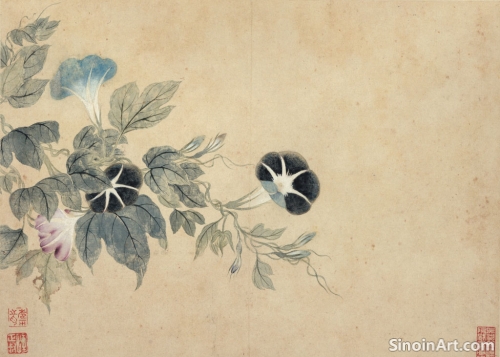 Birds are equally rich in symbolic associations. The phoenix, a mythical bird, represents rebirth and immortality, while the crane symbolizes longevity and wisdom. Ducks are often depicted in pairs, signifying marital harmony and fidelity. The careful rendering of each feather and the detailed depiction of each bird gives life and vibrancy to the artwork and conveys a deep understanding of each subject.  The combination of flowers and birds in Gongbi painting often creates a narrative or symbolic relationship. The composition, arrangement, and the interactions between the elements add another layer of meaning. The meticulous depiction of each detail, from the smallest petal to the feather pattern, enhances the overall effect and brings these symbolic creatures and plants to life on the page. Beyond just their symbolic value, flowers and birds in Gongbi are also opportunities for artists to display their technical skills. The intricate details, the subtle color variations, and the delicate application of paint require a high level of expertise. The creation of these works demonstrates the dedication, skill, and artistic vision of the artist, creating paintings that are both aesthetically pleasing and culturally significant. |
Tag : Gongbi flowers, Gongbi birds, Chinese art symbolism, flower symbolism, bird symbolism
Related information
- Unveiling the Techniques of Gongbi: A Step-by-Step Guide
- Gongbi Painting and the Art of Storytelling
- Gongbi and Contemporary Fashion: A Unique Fusion
- Gongbi Painting and the Depiction of Historical Events
- Famous Gongbi Artists: Masters of the Meticulous Brush
This article provides a step-by-step guide to the techniques involved in creating a Gongbi painting, covering the sketching, outlining, layering, shading, and final detailing stages.
This article explores the use of Gongbi painting as a medium for storytelling, highlighting the use of detailed scenes, character portrayal, symbolism, settings, and how these elements bring narratives from history, mythology, literature, and everyday life to visual form.
This article explores the fusion of Gongbi painting and contemporary fashion, highlighting the incorporation of motifs, patterns, colors, linework, and the overall celebration of Chinese cultural heritage into modern clothing and accessories.
This article explores the role of Gongbi painting in documenting and interpreting historical events, highlighting its meticulous detail, portrayal of figures, use of color, and how these works act as both visual records and cultural perspectives on the past.
This article highlights the contributions of famous Gongbi artists throughout history, including Emperor Huizong, Li Tang, Qiu Ying, and Chen Hongshou, discussing their unique styles and influence on the tradition.