The Influence of Tang Dynasty Aesthetics on Later Bronze Ware Design
|
While the Shang and Zhou dynasties are often seen as the pinnacle of bronze production, the Tang Dynasty also contributed to the art form, with a distinctive aesthetic that influenced later design styles. The elegance, refinement, and emphasis on naturalism that characterized Tang art also impacted the style and forms of bronze ware created at this time. The enduring legacy of Tang styles has continued to shape the visual character of the art form. 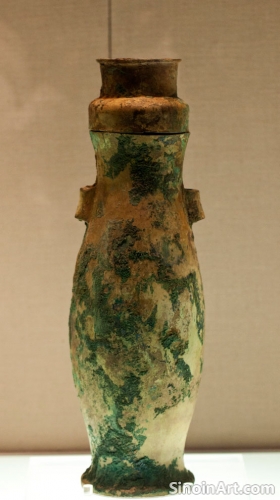 Tang Dynasty bronze ware was characterized by more refined forms, delicate decorations, and an emphasis on elegance and natural beauty. The emphasis on refinement and grace is very evident in the pieces from this era. The preference for beauty and a natural look had a major impact on the bronze objects being created at the time.  The forms of vessels became more graceful and curvaceous, reflecting the artistic sensibilities of the Tang period. The more fluid and natural look was a direct reflection of the Tang aesthetic. This new style was a major departure from the more formal and rigid bronze work of previous eras. 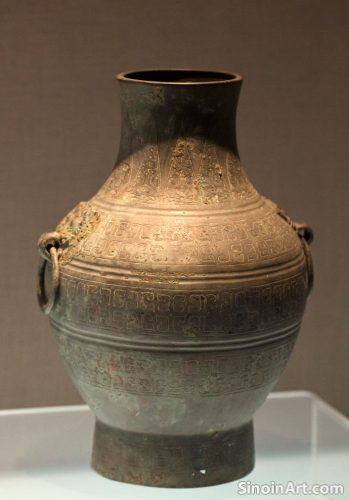 The patterns and motifs on Tang bronze often included depictions of flowers, birds, and other elements of nature, reflecting a greater emphasis on realism and harmony with the natural world. The interest in natural beauty is a key element in the art and aesthetic of the Tang period. The influence of Tang Dynasty aesthetics on later bronze ware design demonstrates how artistic traditions evolve, reflecting changing social, cultural, and political landscapes. The continued evolution of the art form ensured its enduring relevance in Chinese culture. The shifts in style reveal changes in the values and beliefs of the period. |
Tag : Tang Dynasty aesthetics, bronze ware design, Chinese art, influence on bronze, decorative arts
Related information
- Bronze Ware and Ancient Chinese Trade: Examining the Role of Material Culture in Economic Exchange
- The Use of Bronze in Ancient Chinese Transportation: Chariot Decoration and the Display of Power
- Bronze Weapons of Ancient China: A Glimpse into Warfare and Power
- The Use of Bronze in Ancient Chinese Transportation: Bridges, Road Components, and Infrastructure
- Bronze Weights and Measures in Ancient China: Standardization and Trade
This article explores the role of bronze ware in ancient Chinese trade, highlighting its use as a valuable commodity, its impact on shaping trade routes and market systems, and its contribution to the broader economic landscape of the time.
This article explores the use of bronze in ancient Chinese chariot decoration, highlighting its role in communicating power and status, the visual symbolism used, and how these decorative elements enhanced both the aesthetic appeal and also the political message of these important vehicles of transport.
This article explores the bronze weapons of ancient China, highlighting their functional and symbolic importance, the types of weapons, the technical expertise required for their creation, and the insights they provide into early Chinese warfare.
This article explores the use of bronze in ancient Chinese transportation infrastructure, highlighting its role in the creation of bridges, road supports, measuring tools, and other components, and demonstrating its importance in large-scale engineering projects.
This article explores the use of bronze for weights and measures in ancient China, highlighting the importance of standardization, fair trade practices, and the role these artifacts played in facilitating commerce across the empire.