Bronze Ware and the Development of Ancient Chinese Writing Styles: A Visual Record of Language Evolution
|
The inscriptions on Chinese bronze ware provide a unique visual record of the evolution of ancient Chinese writing styles, from the early, pictographic characters to more formalized and abstract forms. The study of these inscriptions highlights how the medium of bronze directly influenced the development of the written language, offering a valuable insight into the history of both script and visual design. The careful study of these inscriptions provides a fascinating perspective on the evolution of written language. 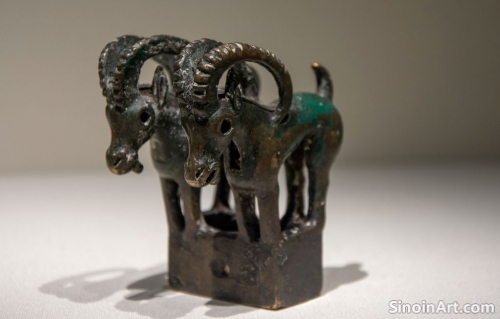 The earliest bronze inscriptions, often referred to as “bronze script” or jinwen (金文), used stylized and angular characters that reflect the techniques used in metal carving. These early inscriptions helped to form the basis for the written word in Chinese culture. The demands of creating inscriptions on metal helped to shape the early forms of written language. 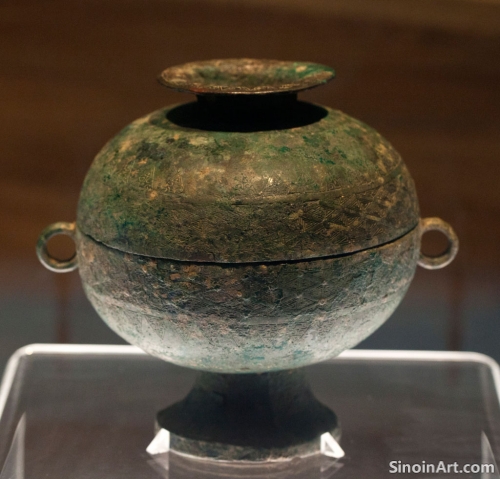 The evolution of script styles over time, from the archaic bronze script of the Shang Dynasty to the more regularized forms of the Zhou, and beyond, can be clearly tracked through bronze inscriptions. The changes in the forms of written Chinese are made readily apparent through the study of these inscriptions. The careful study of these changes helps to reveal the development of both language and calligraphy in ancient China. 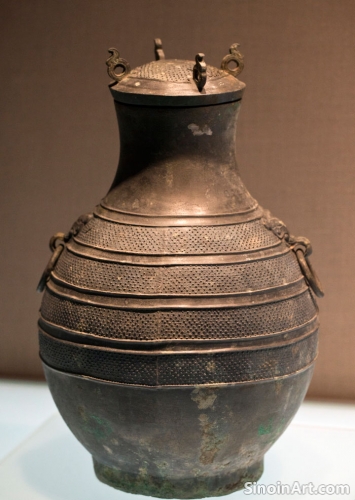 The format and layout of bronze inscriptions, including the arrangement of characters and the use of spacing and line breaks, also influenced the development of calligraphic principles. The early approaches to the written word, and their interplay with artistic design, helped to shape later practices. The study of writing styles on bronze ware provides a rich resource for understanding not only the evolution of the written language but also its connections to ritual, power, and cultural values. The study of these texts helps to connect us to the world of the past and to the people who created them. These objects help to bridge the gap between language, art, and ritual. |
Tag : bronze inscriptions, Chinese script, jinwen, calligraphy evolution, ancient writing
Related information
- The Evolution of Bronze Bell Design in China: From Simple Forms to Complex Chimes
- Bronze Ware and Ancient Chinese Astronomy: Celestial Charts and Observational Tools
- The Use of Bronze in Ancient Chinese Water Clocks and Timekeeping Devices
- Bronze Ware and the Development of Ancient Chinese Music Theory: The Role of Tuned Instruments
- The Role of Patronage in the Production of Tang Bronze Ware: Court and Aristocracy
This article explores the evolution of bronze bell design in China, highlighting the transition from simple bells to complex bianzhong chimes, the development of tuning techniques, and their significance in both music and ritual.
This article explores the use of bronze in ancient Chinese astronomy, focusing on the creation of armillary spheres, sundials, and other observational tools, demonstrating the integration of art, technology, and the ancient quest to understand the cosmos.
This article explores the use of bronze in ancient Chinese water clocks and other timekeeping devices, highlighting their complex mechanisms, their integration of astronomical data, and their importance in standardizing time measurement for a variety of purposes.
This article explores the influence of bronze ware on the development of ancient Chinese music theory, highlighting the role of tuned instruments, especially bianzhong bells, and their impact on scales, harmonies, and the understanding of musical structure.
This article explores the role of patronage in the production of Tang Dynasty bronze ware, highlighting how the imperial court and aristocracy commissioned objects, influencing the style, types, and uses of these artifacts.