The Use of Bronze in Ancient Chinese Public Works: Infrastructure, Irrigation, and City Planning
|
While not always a visible component, bronze played a significant role in the development of ancient Chinese public works projects, used to create tools, fittings, and components that were essential for the construction of infrastructure, irrigation systems, and city planning. The reliance on bronze helped to create lasting and sophisticated works of engineering. The use of bronze is an often overlooked element of ancient Chinese public works.  Bronze was used to create surveying instruments, which were crucial for the design and layout of cities, canals, roads, and other large-scale projects, helping to ensure that structures were laid out accurately. The use of bronze in surveying is a key component of their reliability and accuracy. These careful measurements were essential for the success of large scale construction. 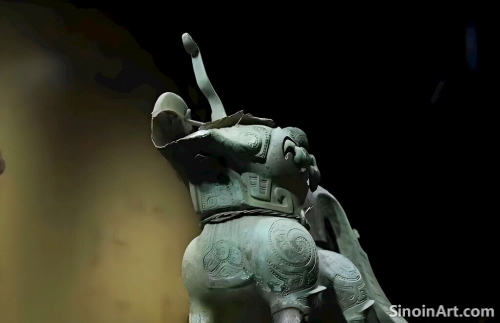 Bronze was used in the construction of water management systems, including components for dams, canals, and water distribution networks, helping to ensure a consistent and reliable water supply. The use of bronze in these systems helped to ensure that they were both effective and reliable for generations. 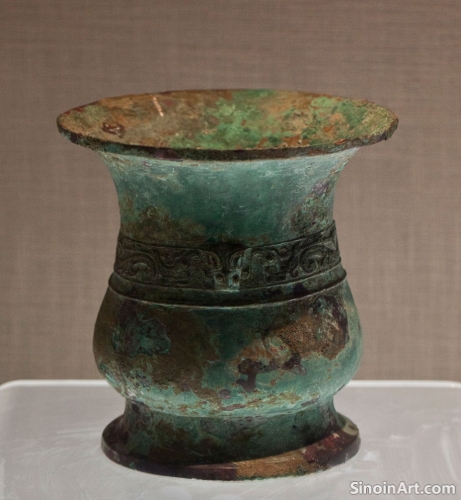 Bronze tools were also essential in the construction of the large stone and earthen structures, and allowed the craftspeople to work with greater efficiency and accuracy. The use of these tools helped to facilitate larger scale projects and construction work. The creation of bronze tools was essential for the successful implementation of large scale public works. The study of bronze in these engineering projects helps to illuminate the technological and organizational skills of ancient Chinese society and their ability to use resources in order to create impressive feats of engineering. The large scale projects of this time highlight the importance of technological innovation. |
Tag : bronze public works, Chinese infrastructure, ancient technology, water management, city planning
Related information
- Bronze Ware and Ancient Chinese Understanding of Astronomy: Maps of the Sky and the Measurement of Time
- Bronze Vessels and Music Performance in Ancient China: A Multi-Sensory Experience
- The Use of Bronze in Ancient Chinese Transportation: Chariot Decoration and the Display of Power
- The Enduring Mystique of Chinese Bronze Ware: A Timeless Allure for Collectors and Scholars
- Bronze Ware and Ancient Chinese Concepts of the Soul: Its Journey, Protection, and Continuity
This article explores the connection between bronze ware and ancient Chinese understandings of astronomy, highlighting the use of celestial motifs, the depiction of astronomical phenomena, and the creation of instruments that aided in understanding the universe.
This article explores the combination of bronze vessels and music in ancient Chinese ritual performance, highlighting how these combined to create a multi-sensory experience that engaged both visual and auditory senses, and enhanced the power of ritualistic ceremonies.
This article explores the use of bronze in ancient Chinese chariot decoration, highlighting its role in communicating power and status, the visual symbolism used, and how these decorative elements enhanced both the aesthetic appeal and also the political message of these important vehicles of transport.
This article reflects on the enduring allure of Chinese bronze ware, highlighting its appeal to both collectors and scholars, its timeless beauty, its historical significance, and its ability to inspire both fascination and the ongoing pursuit of knowledge.
This article explores the connection between bronze ware and ancient Chinese beliefs about the soul, highlighting the use of bronze objects to guide, protect, and sustain the soul on its journey into the afterlife, and revealing the spiritual dimension of these material possessions.