Bronze Ware and Ancient Chinese Understanding of Astronomy: Maps of the Sky and the Measurement of Time
|
Beyond the practical use of bronze for creating instruments, the designs and symbolism used on bronze ware were also deeply influenced by ancient Chinese understandings of astronomy and the perceived structure of the cosmos. This intersection of art, science, and belief helped to create a rich and varied tradition of artistic expression that also reflected scientific knowledge. 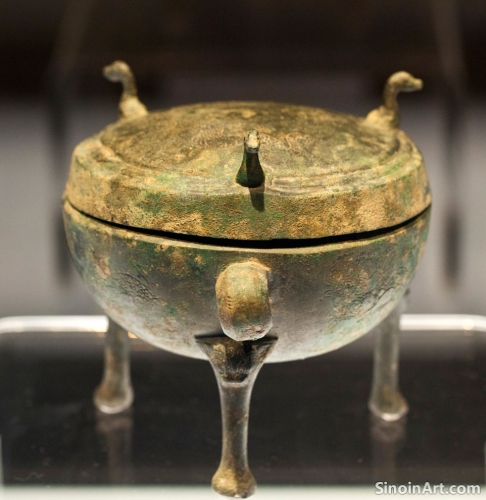 Bronze objects often depicted constellations, celestial bodies, and other astronomical phenomena, reflecting the importance of these subjects in ancient Chinese culture. The inclusion of specific constellations and astrological symbols often carried specific meaning and symbolic weight. 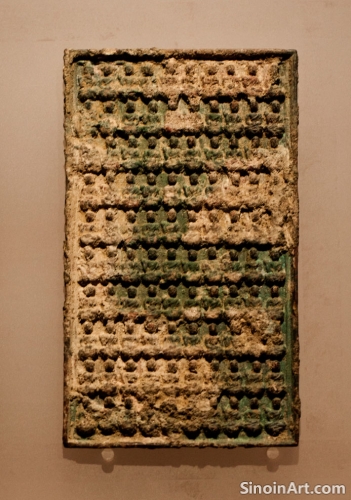 The designs on some bronze pieces were meant to reflect the perceived movements of the planets, the cycles of the moon, and other celestial phenomena, reflecting the careful observation and recording of the sky by ancient astronomers. The artistic expressions of the period were deeply linked to the scientific understanding of the time. 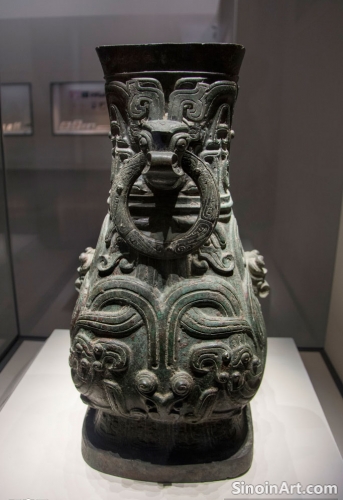 The creation of bronze astronomical instruments was also a form of artistic and scientific expression, often combining both decorative elements with practical uses, creating works that had both intellectual and visual appeal. The precision and care with which these objects were created demonstrates the skill and technical sophistication of ancient Chinese craftspeople. The study of bronze ware in the context of astronomy helps to illuminate the ancient Chinese worldview, revealing their fascination with the heavens, and also their deep understanding of mathematics and scientific principles. The combination of art, science, and cosmology is a key element in understanding these objects. The ongoing study of these pieces helps to provide new insight into both artistic and scientific achievements of the era. |
Tag : bronze astronomy, ancient constellations, celestial symbols, astronomical instruments, Chinese cosmology
Related information
- Bronze Ware and Ancient Chinese Textile Production: Spindle Whorls, Weaving Tools, and Textile Art
- The Influence of Bronze Ware on Ancient Chinese Clothing and Adornment: Jewelry, Belt Hooks, and Ornaments
- Bronze Ware and the Representation of Power in Ancient Chinese Royal Tombs: Scale, Detail, and Symbolism
- Beyond Vessels: The Diverse Uses of Bronze in Ancient China
- The Bronze Bells of Ancient China: Harmony and Power in Sound
This article explores the use of bronze in ancient Chinese textile production, highlighting its role in creating spindle whorls, weaving tools, decorative elements, and the interplay between metalworking and textile crafts.
This article explores the use of bronze in ancient Chinese clothing and adornment, highlighting the creation of jewelry, belt hooks, buckles, and other decorative elements, and demonstrating the integration of art, fashion, and social expression.
This article explores the use of bronze ware in ancient Chinese royal tombs, highlighting its role in conveying power and wealth, its use of scale and detail, its symbolic designs, and how these objects were intended to ensure the continued recognition of the deceased in the afterlife.
This article explores the diverse uses of bronze beyond vessels and weapons, highlighting its use in musical instruments, mirrors, tools, and other objects, demonstrating the versatility and importance of bronze in ancient Chinese society.
This article explores the bronze bells of ancient China, highlighting their role as ritual instruments, their sophisticated construction, their use in sets (bianzhong), and their importance as symbols of power and harmony in Chinese culture.