Bronze Ware and Ancient Chinese Concepts of the Soul: Its Journey, Protection, and Continuity
|
The presence of bronze objects in ancient Chinese tombs reveals a great deal about the beliefs and traditions associated with the afterlife, with bronze objects used to assist the soul in its journey, provide it with spiritual protection, and ensure its continued existence in the realm beyond. The presence of these objects in the tomb is a testament to their spiritual and symbolic significance. The interplay between the material and spiritual realms is a key element of ancient Chinese beliefs about life and death. 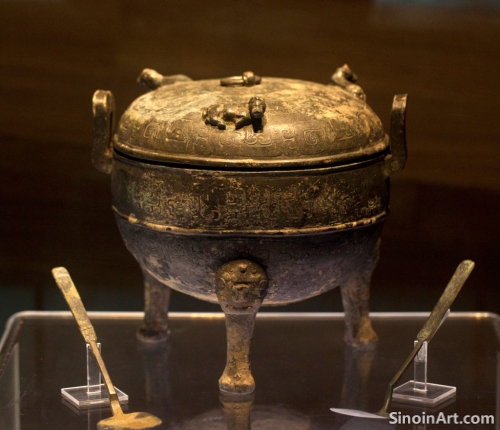 Bronze mirrors, often placed in tombs, were believed to help guide the soul of the deceased, providing a reflection of their earthly life and helping them to transition to the next world. The reflective properties of the mirror were seen as an important component of its protective powers. The mirrors helped to provide both guidance and security for the journey of the soul. 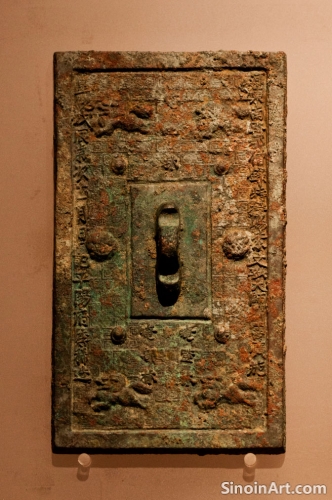 Bronze weapons, which were also often included in tombs, were seen as providing the deceased with protection from negative forces, helping them to defend themselves in the afterlife. The use of these weapons helped to provide both actual and also spiritual protection for the soul. 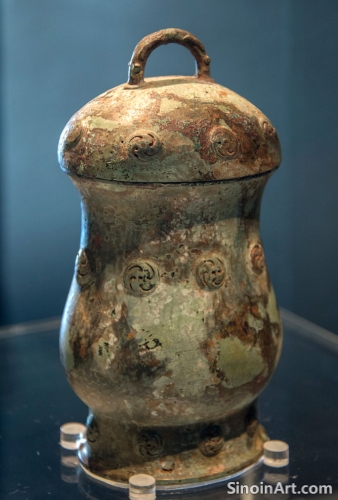 Bronze vessels, which were intended to hold offerings and provisions for the departed, helped to support and sustain the soul in its journey into the world beyond. These vessels were carefully selected based on their functional purposes, as well as their symbolic associations. The care with which the soul was prepared for the next world is a key element of ancient Chinese funerary practices. |
Tag : bronze soul, Chinese afterlife, spirit journey, tomb protection, funerary beliefs
Related information
- Beyond Vessels: The Diverse Uses of Bronze in Ancient China
- Bronze Ware and Ancient Chinese Concepts of the Cosmos: Heaven, Earth, and Humanity
- Bronze Ware and the Development of Ancient Chinese Music Theory: The Use of Scales, Intervals, and Tuning
- The Use of Bronze in Ancient Chinese Water Management Systems: Irrigation and Hydraulic Engineering
- The Modern Use of Chinese Bronze Ware: Reinterpretations and Artistic Influence
This article explores the diverse uses of bronze beyond vessels and weapons, highlighting its use in musical instruments, mirrors, tools, and other objects, demonstrating the versatility and importance of bronze in ancient Chinese society.
This article explores the connection between bronze ware and ancient Chinese concepts of the cosmos, highlighting the use of celestial symbols, the representation of the relationship between Heaven, Earth, and humanity, and revealing the cosmological worldview of the ancient Chinese.
This article explores the influence of bronze ware on the development of ancient Chinese music theory, focusing on how the precise tuning of instruments led to a greater understanding of scales, intervals, harmony, and the overall structure of musical forms.
This article explores the use of bronze in ancient Chinese water management systems, highlighting its role in irrigation, hydraulic engineering, and the creation of tools and components that helped to control and manage water resources for agriculture.
This article explores the modern use of Chinese bronze ware, highlighting how contemporary artists and designers reinterpret and adapt its forms and motifs, blending ancient traditions with modern aesthetics, showcasing the enduring influence of these powerful works.