The Use of Bronze in Ancient Chinese Transportation: Chariot Decoration and the Display of Power
|
Beyond the functionality of bronze fittings in chariots, the material was also used extensively to create decorative elements, that served both an aesthetic function, but also communicated the power, status, and wealth of those who used them. These objects were intended to combine practical use with the communication of a specific set of social and political messages. The visual design and decoration of these vehicles helped to underscore the power of those who traveled in them. 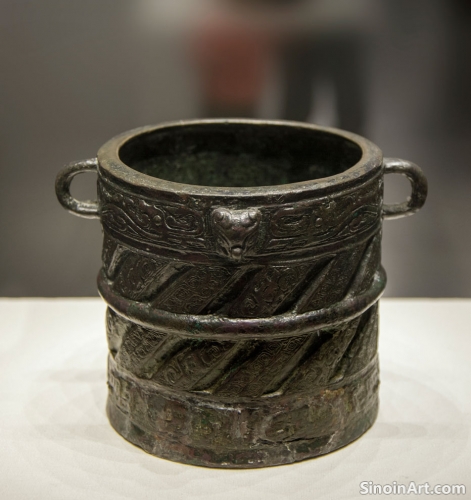 Bronze was used to create elaborate decorative plaques and ornaments for chariots, often featuring intricate designs, complex symbols, and depictions of powerful animals, and reflecting the social status and authority of the person who was in charge of the chariot. The use of these pieces helped to enhance the overall look of the vehicles and to convey important messages to the viewing audience.  The use of bronze bells and other sound-producing devices on chariots also helped to emphasize the presence of their occupants, creating a powerful multi-sensory experience designed to communicate their importance and to also serve as a form of display. The use of sound and visual spectacle were both essential elements of the presentation of power and authority. 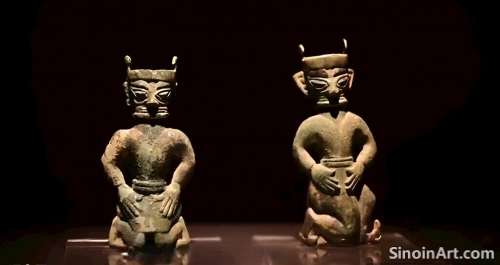 The lavish use of bronze in chariot decoration also helped to underscore the importance of military might and the power of the state, projecting an image of both authority and also of strength, and they were also a tangible display of the wealth and power of the ruling class. The display of wealth, and the association of bronze with power helped to reinforce and maintain the social and political order of the time. |
Tag : bronze chariot decoration, ancient transportation, Chinese power symbols, military display, elite vehicles
Related information
- Bronze Mirrors and the Concept of "Face" in Ancient Chinese Society: Identity and Social Status
- The Use of Bronze in Ancient Chinese Maritime Activities: Navigation, Trade, and Exploration
- The Influence of Zhou Dynasty Ritual Bronzes on Later Chinese Art and Culture
- The Ethical Considerations of Collecting and Studying Ancient Chinese Bronze Ware
- Bronze Ware and the Development of Ancient Chinese Writing: Scripts, Inscriptions, and the Communication of Ideas
This article explores the connection between bronze mirrors and the concept of "face" (mianzi) in ancient China, highlighting how mirrors were used to manage social image, convey respect, and reflect the importance of social status both in life and after death.
This article explores the use of bronze in ancient Chinese maritime activities, highlighting its role in creating ship fittings, navigational tools, and its impact on the development of trade routes and maritime exploration.
This article explores the lasting influence of Zhou Dynasty ritual bronzes on later Chinese art and culture, highlighting their impact on forms, designs, the importance of inscriptions, and the continued relevance of ritual and ancestral veneration.
This article examines the ethical considerations of collecting and studying ancient Chinese bronze ware, highlighting issues of provenance, cultural heritage, responsible research methods, and the need for careful stewardship of these irreplaceable artifacts.
This article explores the connection between bronze ware and the development of ancient Chinese writing, highlighting the evolution of script styles through inscriptions, the importance of writing as a medium for record-keeping and communication, and the role of bronze in shaping the development of written language.