The Use of Bronze in Ancient Chinese Maritime Activities: Vessels and Tools
|
While often associated with land-based activities, bronze also played a role in ancient Chinese maritime activities, particularly in the construction of boats, the creation of navigational tools, and as tools used in the process of fishing. The use of bronze in maritime settings highlights the technological capabilities and trading networks of the time. The development of maritime trade was a key component of early Chinese culture. 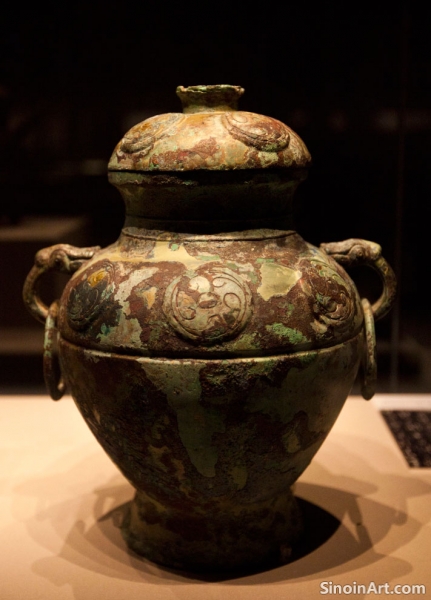 Bronze fittings were often used to enhance the strength, durability, and stability of ships and boats, improving the safety and efficiency of seafaring vessels. The use of bronze in these fittings helped to increase the stability and effectiveness of the vessels. These fittings were essential in ensuring the longevity and functionality of the vessels.  Bronze was also used to create fishing tools, such as hooks, weights, and other implements, which played an important role in the daily lives and economy of coastal communities. The use of bronze in fishing was key to the local economies of the coastal regions. The specialized designs of these bronze tools highlights their importance. 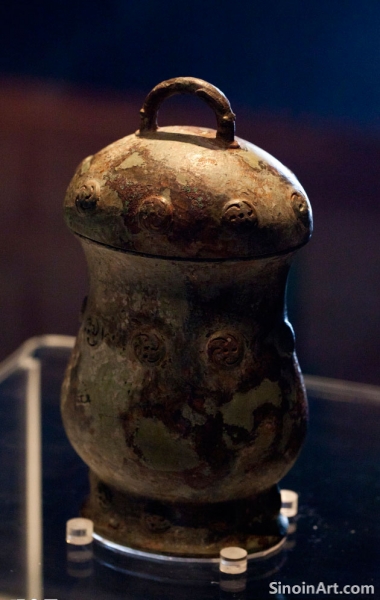 Bronze was also used in the creation of navigational tools such as compasses, which helped with mapping the stars and navigating on the water. The tools created with bronze allowed for the exploration and charting of new territories. These innovations helped to make maritime exploration more efficient and reliable. The limited evidence of bronze use in ancient Chinese maritime activities hints at the potential for further discoveries that would reveal a greater depth of understanding of this aspect of ancient life. This is an often overlooked aspect of Chinese bronze use and offers the opportunity for further exploration and study. |
Tag : bronze maritime, ancient Chinese ships, nautical tools, bronze fishing, seafaring
Related information
- Bronze Ware and the Development of Ancient Chinese Calendar Systems: Marking Time and Ritual Cycles
- The Use of Bronze in Ancient Chinese Public Works: Infrastructure, Irrigation, and City Planning
- Bronze Vessels and Music Performance in Ancient China: A Multi-Sensory Experience
- Bronze and the Development of Early Chinese Astronomy: Tools of Observation and Understanding
- The Enduring Legacy of Bronze Ware: A Bridge Between Ancient and Modern China
This article explores the use of bronze in ancient Chinese calendar systems, highlighting its role in creating timekeeping devices like sundials, tracking the passage of time, and linking calendars to both agricultural and ritual cycles.
This article explores the use of bronze in ancient Chinese public works projects, highlighting its role in surveying, water management, construction, and demonstrating its importance in the development of infrastructure and city planning.
This article explores the combination of bronze vessels and music in ancient Chinese ritual performance, highlighting how these combined to create a multi-sensory experience that engaged both visual and auditory senses, and enhanced the power of ritualistic ceremonies.
This article explores the use of bronze in ancient Chinese astronomy, highlighting the creation of astronomical instruments such as armillary spheres and sundials, and demonstrating how these objects facilitated the observation and understanding of the universe.
This article reflects on the enduring legacy of Chinese bronze ware, emphasizing its continuing influence on art and culture, its role as a bridge between ancient and modern China, and the importance of preserving these invaluable treasures for future generations.