The Use of Bronze in Ancient Chinese Maritime Activities: Navigation, Trade, and Exploration
|
While often associated with land-based power and ceremony, bronze also played a role in ancient Chinese maritime activities, used to create components for ships, navigational tools, and items associated with sea trade and exploration, underscoring the importance of bronze in the development of ancient maritime technology and practices. The blending of bronze and seafaring tradition is a key element in the history of the region. 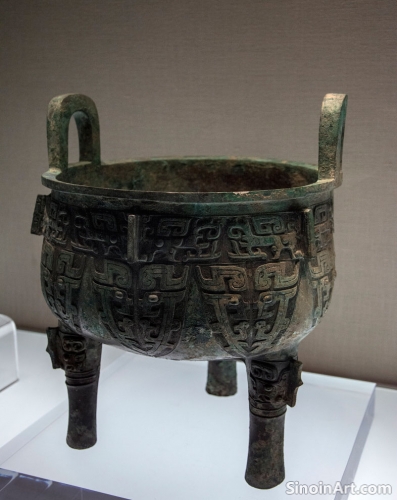 Bronze was used to create fittings and anchors for ships and boats, increasing their durability, stability, and resistance to the elements. The use of bronze for these purposes helped to make ancient vessels stronger and more reliable. The integration of bronze into maritime technology helped to enhance exploration and trade routes.  Bronze was also used to create compasses and other navigational instruments, which were essential for charting sea routes and ensuring the safe passage of ships across the oceans. The ability to chart and navigate was an essential component of long distance exploration and trade. These bronze instruments helped to create a more reliable and efficient method of long distance maritime travel.  The exchange of bronze objects along maritime trade routes also facilitated cultural exchange and economic development, connecting different regions of China and facilitating interaction between diverse cultures. The movement of goods and people also helped to spread information and new ideas. These trade routes helped to create a more interconnected and globalized ancient world. The study of bronze in ancient Chinese maritime activities helps to reveal the importance of seafaring trade and the technological ingenuity used in exploring new lands. The connection between exploration, trade, and technological innovation is a key element in ancient Chinese history. |
Tag : bronze maritime, ancient navigation, Chinese seafaring, shipbuilding, nautical tools
Related information
- Bronze Mirrors and Ancient Chinese Beliefs About the Soul: Reflection and Transformation
- The Use of Bronze in Ancient Chinese Military Armor: Protection and Power on the Battlefield
- Regional Styles of Bronze Ware: Exploring the Diversity of Ancient China
- The Enduring Allure of Chinese Bronze Ware: A Source of Inspiration and Study
- Bronze Ware and Ancient Chinese Astronomy: Celestial Charts and Observational Tools
This article explores the connection between bronze mirrors and ancient Chinese beliefs about the soul, highlighting their role as guides in the afterlife, their association with spiritual transformation, and the belief that they could capture and preserve the soul's essence.
This article explores the use of bronze in ancient Chinese military armor, highlighting the types of helmets and armor plating, and how bronze was used to provide both protection and power on the battlefield.
This article explores regional styles of bronze ware in ancient China, highlighting the distinct forms, designs, and techniques found in different areas, including the Central Plains, the Yangtze Valley, and the northern regions, revealing the diversity of ancient Chinese culture.
This article reflects on the enduring allure of Chinese bronze ware, highlighting its technical skill, artistic beauty, historical significance, and the importance of its study and preservation for future generations.
This article explores the use of bronze in ancient Chinese astronomy, focusing on the creation of armillary spheres, sundials, and other observational tools, demonstrating the integration of art, technology, and the ancient quest to understand the cosmos.