Bronze Mirrors and Ancient Chinese Beliefs About the Soul: Reflection and Transformation
|
Beyond their practical use in grooming and their role in divination, bronze mirrors in ancient China were also deeply intertwined with beliefs about the soul, its journey after death, and its connection to the spirit world. The reflective surface of the mirror was thought to have special properties, and they were often seen as more than mere objects of everyday life. The mirrors were imbued with spiritual significance and were thought to have a specific power over the forces of the universe. 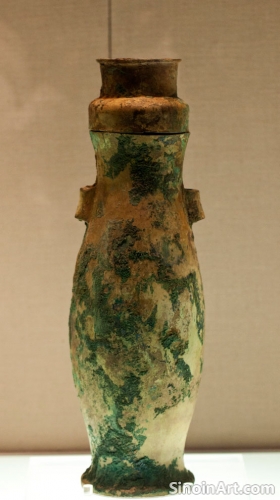 Mirrors were often placed in tombs, believed to serve as guides for the souls of the deceased, helping them to navigate the afterlife and to find their way through the underworld. The use of mirrors in these funerary practices highlights the important role that they were thought to play in the journey to the next world. These mirrors were also thought to provide protection for the journey of the soul. 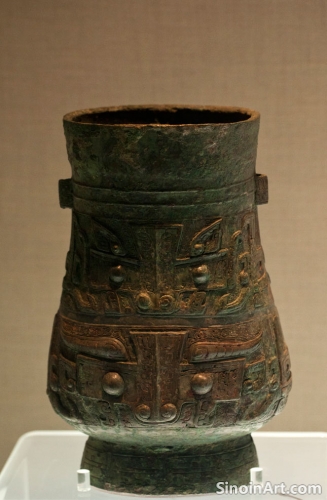 The reflective quality of mirrors was also associated with the idea of spiritual transformation, allowing individuals to see beyond their physical forms and to gain a deeper understanding of their inner selves. The ability to reflect images was seen as also having the ability to see past earthly concerns. The use of mirrors was often associated with ritual and meditation. 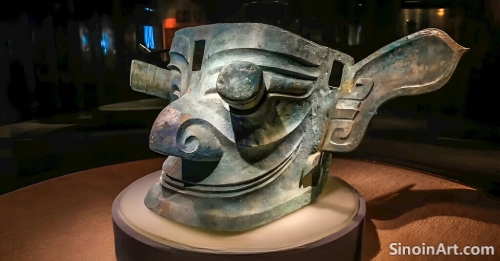 Some ancient Chinese texts suggest that mirrors were believed to capture and preserve the essence of the soul, linking the earthly image with a timeless and eternal spirit. The mirroring process was seen as a way of capturing the soul and protecting it from harm. The mirror was a powerful symbol with multiple different interpretations. The study of bronze mirrors and beliefs about the soul reveals the complex spiritual worldview of ancient China, where the material and spiritual realms were often intertwined, and where objects were invested with deeper meaning and symbolic power. These objects held many layers of meaning and continue to be studied to this day. The use of these items in ritual practice reflects the core values of the era. |
Tag : bronze mirror soul, ancient Chinese beliefs, afterlife, spiritual transformation, mirror magic
Related information
- The Use of Bronze in Ancient Chinese Astronomical Observatories: Instruments and Knowledge
- The Social and Political Symbolism of Bronze Weapons: Power, Authority, and Military Might
- The Bronze Bells of Ancient China: Harmony and Power in Sound
- Bronze Ware and Ancient Chinese Beliefs About the Afterlife: Providing for the Journey and Eternal Life
- The Role of Bronze Ware in Ancient Chinese Trade with Southeast Asia: Exchange of Goods and Cultural Ideas
This article explores the use of bronze in ancient Chinese astronomical observatories, highlighting the creation of sighting devices, armillary spheres, and other instruments, and demonstrating how these objects facilitated astronomical observation and knowledge.
This article explores the social and political symbolism of bronze weapons in ancient China, highlighting their connection to power, authority, and military might, and demonstrating how the possession and display of these objects reflected status and leadership.
This article explores the bronze bells of ancient China, highlighting their role as ritual instruments, their sophisticated construction, their use in sets (bianzhong), and their importance as symbols of power and harmony in Chinese culture.
This article explores the use of bronze ware in ancient Chinese tombs, highlighting its role in providing for the deceased's journey into the afterlife, offering protection, and reflecting beliefs about continuity and eternal existence.
This article explores the role of bronze ware in ancient Chinese trade with Southeast Asia, highlighting the exchange of goods, the spread of cultural ideas, and the impact on both economic and artistic development across the region.