The Enduring Allure of Chinese Bronze Ware: A Source of Inspiration and Study
|
The enduring allure of Chinese bronze ware lies in its combination of technical mastery, artistic brilliance, and historical significance, continuing to captivate and inspire scholars, artists, and enthusiasts around the world. These are objects that have had a lasting impact on culture, history, and the human understanding of the past. The study of these pieces is valuable for a number of different perspectives. 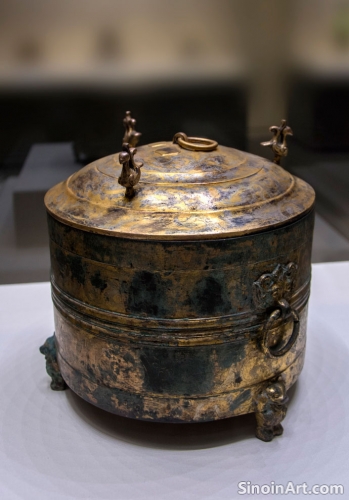 The sophisticated casting techniques used in ancient China, combined with the rich symbolic designs and intricate details, continue to impress modern audiences. The skill and artistry of the people who created these objects continues to impress and inspire. The complexity of the designs and the care with which they were executed remains a key element of their overall appeal. 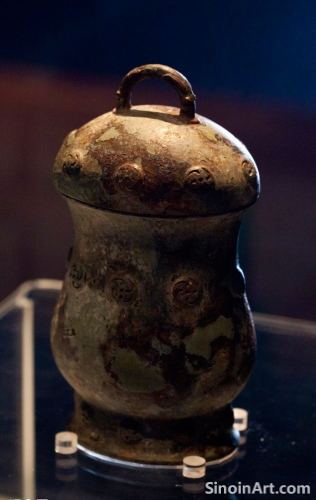 The stories embedded in bronze objects, ranging from mythical tales to historical accounts, provide insights into the worldviews, beliefs, and social structures of ancient China. The stories that these objects tell about the people and the cultures that produced them continues to fascinate and to inspire new and different interpretations. The study of these pieces offers a valuable window into the past. 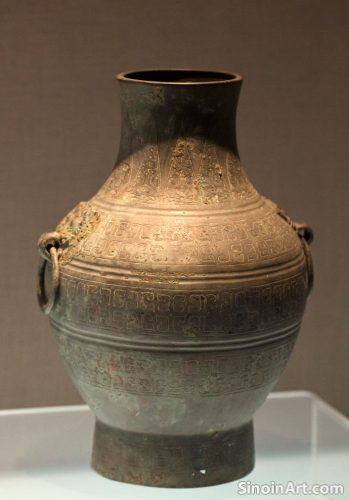 The continued study of bronze ware and the preservation of these ancient artifacts is essential to maintaining their beauty, their cultural heritage, and their influence on future generations. The preservation and study of these objects will help to ensure that they will continue to inspire for years to come. The continued research into and study of these artifacts will help to make them available for all to experience. |
Tag : bronze ware appeal, ancient Chinese art, cultural legacy, artifact preservation, art study
Related information
- Bronze Ware and Ancient Chinese Textile Production: Spindle Whorls, Weaving Tools, and Textile Art
- The Influence of Bronze Ware on Later Ceramic Styles in China
- The Taotie Motif: Unraveling the Mystery of the Shang Bronze Beast
- The Enduring Legacy of Bronze Ware: A Bridge Between Ancient and Modern China
- The Evolution of Bronze Mirror Design: From Early Simplicity to Ornate Patterns and Narrative Scenes
This article explores the use of bronze in ancient Chinese textile production, highlighting its role in creating spindle whorls, weaving tools, decorative elements, and the interplay between metalworking and textile crafts.
This article explores the influence of bronze ware on later ceramic styles in China, highlighting the replication of forms, the adoption of bronze motifs, and the impact on technical aspects, demonstrating the lasting impact of bronze on later artistic endeavors.
This article explores the taotie motif found on Shang Dynasty bronzes, discussing its composite features, the various interpretations of its symbolic meaning, its evolution over time, and its significance in understanding the Shang worldview.
This article reflects on the enduring legacy of Chinese bronze ware, emphasizing its continuing influence on art and culture, its role as a bridge between ancient and modern China, and the importance of preserving these invaluable treasures for future generations.
This article explores the evolution of bronze mirror design in ancient China, highlighting the shift from simple forms to more complex designs, including the use of intricate patterns, symbolic imagery, and narrative scenes, demonstrating the interplay between art, technology, and cultural change.