The Simplicity and Elegance of Song Celadons
|
The Song Dynasty is often regarded as the golden age of Chinese ceramics, and Song celadon stands as a pinnacle of ceramic artistry. Characterized by its subtle green hues, ranging from pale jade to deep olive, Song celadon is celebrated for its elegant forms, smooth glazes, and understated decoration. Unlike the vibrant, multi-colored wares of the preceding Tang Dynasty, Song celadons embraced simplicity and a harmonious balance between form and glaze. The focus shifted to the intrinsic beauty of the material and the nuanced shades achieved through masterful kiln firing. 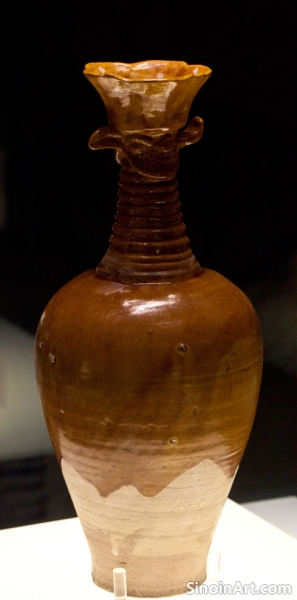 The technical advancements during the Song Dynasty were crucial to the refinement of celadon. Potters meticulously controlled kiln atmospheres, allowing for precise regulation of the iron oxide content in the glaze, resulting in the iconic green hues. Glazes were often thick and lustrous, creating a soft, jade-like texture that was highly prized. The emphasis was on achieving a consistent and flawless glaze surface, free from imperfections or excessive decoration. The kiln work was a vital element in the beauty and value of these pieces. 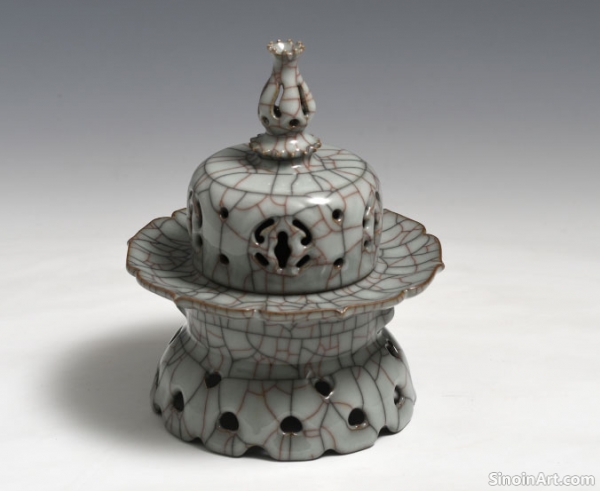 The forms of Song celadons are equally noteworthy. They are often characterized by simple, functional shapes, such as bowls, dishes, and vases, with graceful curves and elegant proportions. Decorative elements were generally restrained, often limited to subtle incised or carved designs, such as floral patterns, lotus petals, or simple geometric motifs. The pieces themselves were made for use, but with an artistic sensibility that made them beautiful and inspiring. 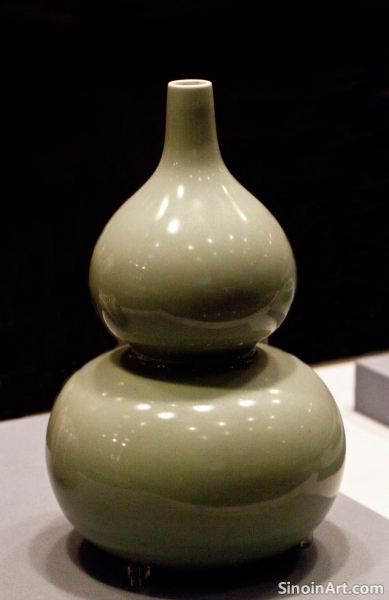 The appeal of Song celadon lies in its understated beauty and its ability to evoke a sense of tranquility and serenity. These ceramics were not meant to be flashy or ostentatious; they were designed to be appreciated for their intrinsic qualities and their subtle beauty, making them especially valued for use in tea ceremonies and other refined cultural events. Their enduring popularity and influence is a testament to their quality. Song celadons have had a lasting impact on ceramic art, influencing the styles and techniques of potters both in China and around the world. Their elegance and simplicity continue to inspire contemporary artists and collectors. The legacy of Song celadon is a key component of the wider history of Chinese ceramics. |
Tag : Song celadon, Chinese celadon, green glaze pottery, Song Dynasty ceramics, ancient Chinese pottery
Related information
- Jun Ware: A Splash of Color in the Song Dynasty
- Decorative Techniques in Song Ceramics
- Guan Ware: The Mystery of Imperial Ceramics
- The Elegance of Guan Ware and Ge Ware Crackle Glazes
- The Everyday Elegance of Song Dynasty Ceramics
Jun ware, produced in kilns in Henan province, is distinguished by its vibrant, opalescent glazes, which range in color from sky blue to lavender, crimson, and even deep purple. Unlike the more restrained celadons and monochromes of the Song Dynasty, Jun ware is known for its dramatic splashes of color and bold, expressive forms. The vibrant colour palette makes them stand out from the more muted forms of Song Dynasty pottery.
Song Dynasty ceramics employed various subtle decorative techniques like carving, incising, molding, and impressing, adding texture and visual interest while allowing the simple forms and glazes to remain the focus.
Guan ware, rare imperial ceramics of the Southern Song, are characterized by thick, crackled glazes in shades of gray, blue, or green, understated forms, and an enduring sense of mystery surrounding their production and kilns.
Guan ware and Ge ware, both associated with the Southern Song Dynasty, are known for their distinctive crackled glazes, which were caused by the different contraction rates of the glaze and the ceramic body. These wares, which are also often referred to as “crackled ware”, exhibit a wide variety of crackle patterns, from fine “fish roe” patterns to more pronounced “ice crackle” patterns.
While Song ceramics are often celebrated for their rare and exquisite pieces made for the imperial court, a wealth of utilitarian wares were also produced for everyday use. These pieces, while perhaps less elaborate than court ceramics, exhibit a refined sense of beauty and practicality, demonstrating the ubiquitous presence of ceramics in Song Dynasty life. These pieces are an important window into everyday life during this period.