The Significance of Studio Seals: An Introduction to Zhaiguan Yinzhang
|
Chinese studio seals, or zhāiguǎn yìnzhāng, represent a unique and captivating aspect of Chinese seal carving tradition. Unlike personal name seals which identify an individual, studio seals represent a place of work, study, or contemplation. These seals often bear the name of a studio, study, or hall, serving as a visual emblem of the owner's intellectual pursuits and artistic identity. They are deeply rooted in Chinese history and are a reflection of the value placed on personal spaces.  Historically, studio seals emerged as scholars and artists sought to establish their creative and intellectual spaces. These seals denoted not only the physical location but also the unique character and purpose of each space. As the use of studio spaces grew, so did the importance of the seals to represent them. The seals began to be incorporated into works of art and scholarship.  The design of a studio seal often reflects the owner's personality and taste. Unlike the standardized form of the name seal, the studio seal offers greater creative freedom. The designs incorporate elements of the owner's artistic or intellectual interests, with inscriptions relating to their favorite literary works, philosophical principles, or artistic aesthetics. The design is meant to reflect the overall character of the space. 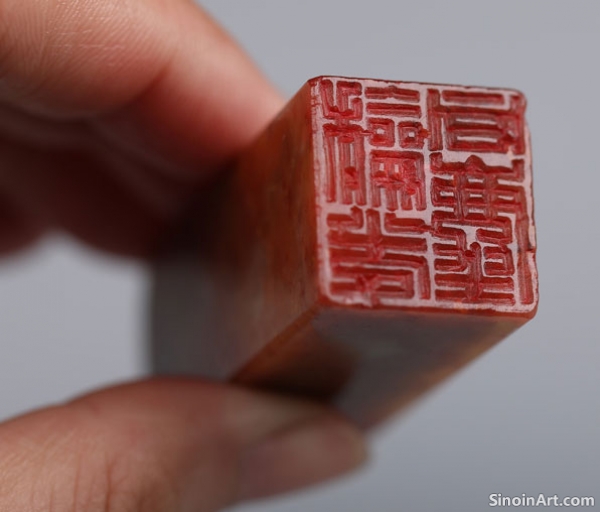 The use of studio seals is not limited to scholars and artists. Collectors of art and calligraphy also use them to mark their treasured possessions, signifying their ownership and appreciation of the works. Studio seals can also be seen on documents, correspondence, or even on items used within the studio or hall itself. The seals are used to show ownership, and also denote an artistic or scholarly taste. The craftsmanship involved in creating a studio seal is just as demanding and significant as that of any other seal. The selection of materials, the calligraphy style, and the composition are all carefully considered. The studio seal embodies the spirit of its owner and the space they have created, making these seals valuable historical and artistic records. |
Tag : Chinese Studio Seal, Zhaiguan Yinzhang, Hall Seals, Seal Carving, Seal Art
Related information
- The Mark of the Collector
- Seal Carving Around the World: Cross-Cultural Influences
- The Placement of Collector's Seals
- Collecting Chinese Seals: A Guide for Enthusiasts
- The Contemporary Relevance of Seal Carving: A Living Tradition
Collector's seals, or shoucang yinzhang, are distinctive marks of ownership and connoisseurship used by collectors of art, books, and other valuable objects in China. These seals are more than just ownership markers; they are also expressions of personal taste, aesthetic values, and engagement with the piece being marked. The seals help to identify who has collected the object, and what they thought of its merit.
This article explores the global reach of Chinese seal carving, highlighting its influence on other cultures and the cross-cultural exchange that continues to shape its evolution.
The placement of collector's seals on works of art or books is often a carefully considered decision, reflecting the collector’s aesthetic judgment and their understanding of traditional Chinese art principles. The placement of the seal is just as important as the seal itself.
Learn about collecting Chinese seals. This guide covers key aspects like materials, carving styles, historical context, and how to start your own collection.
This article explores the contemporary relevance of Chinese seal carving, highlighting how modern artists are incorporating new themes, materials, technologies, and embracing globalization, all while remaining true to the traditions of the art form.