Seal Carving Around the World: Cross-Cultural Influences
|
While deeply rooted in Chinese culture, seal carving has also influenced and been influenced by other cultures around the world. Its reach extends beyond China, where artists and enthusiasts worldwide have adapted and interpreted the art form in their own unique ways, highlighting its versatility and universal appeal. The appeal of seal carving transcends cultural boundaries. It has influenced and been influenced by various cultures. 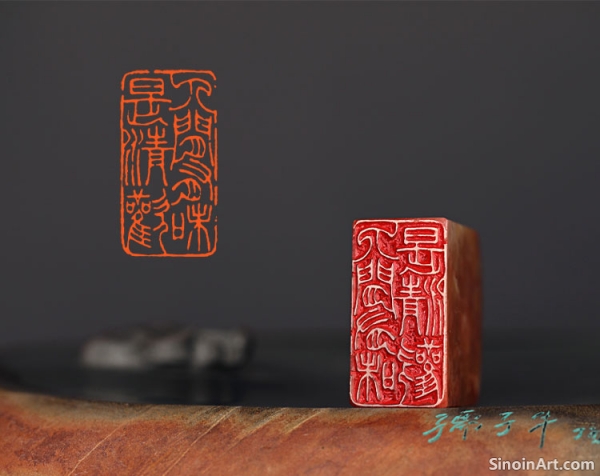 The influence of Chinese seal carving can be seen in the art of other East Asian countries, such as Japan, Korea, and Vietnam. Artists in these countries have adapted the techniques and styles of Chinese seal carving to suit their own cultural contexts. This exchange shows the reach and impact of Chinese art forms. It is an exchange of cultural ideas and values. 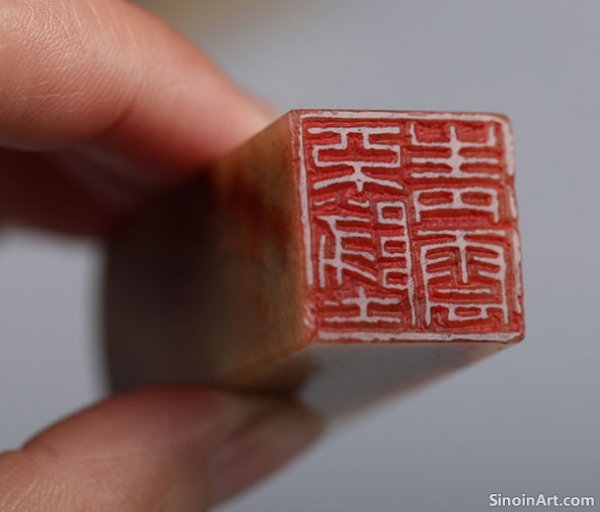 Artists in other parts of the world have also embraced the art of seal carving, experimenting with new materials, themes, and approaches, while respecting the core principles of the tradition. This global interest demonstrates the universal nature of art and creativity. The adaptations of these techniques and principles are a testament to this.  The accessibility of information and online resources has contributed to the international reach of seal carving. The ability to learn about traditional methods online has made it more accessible than ever before. This makes it possible for artists to share their work with others and collaborate with artists around the world. Cross-cultural exchange has brought a fresh perspective and innovation to the art of seal carving. Artists are now using a variety of materials, techniques, and styles to express their own cultural identities. It has broadened and diversified the approach to the art form. The new interpretations have enriched the artistic vocabulary. In essence, the global spread of seal carving is a testament to its enduring appeal and its ability to transcend cultural boundaries. It is a living art form that is constantly evolving and adapting through cross-cultural exchange and collaboration. The future of the art form is likely to be shaped by this exchange. It continues to evolve and adapt through global interactions. |
Tag : Seal Carving Global, Cross-Cultural Art, International Art, East Asian Influence, Art Exchange
Related information
- Collecting Leisure Seals: Understanding Artistic and Cultural Value
- The Use of Collector's Seals in Art Authentication and Provenance Research
- Contemporary Studio Seal Carving: Blending Tradition and Innovation
- The Calligraphy Connection: Scripts in Chinese Seal Design
- Inscriptions of Studio Seals: Unveiling the Character of the Space
This article offers a guide to collecting leisure seals, with insights on assessing artistic value, understanding the importance of provenance, and navigating the market for these unique objects.
This article discusses the crucial role of collector's seals in art authentication and provenance research, exploring how these seals provide valuable information about the history of ownership and the authenticity of artworks.
This article discusses the current state of studio seal carving, exploring how contemporary artists are both preserving traditional techniques and innovating with new approaches, reflecting a vibrant mix of styles.
Explore the deep connection between Chinese calligraphy and seal carving. Learn about different scripts like Seal Script (zhuanshu) and Clerical Script (lishu), and their influence on seal designs.
This article delves into the various types of inscriptions found on studio seals, exploring their meanings and how they reveal the nature and purpose of the studio or hall.