Collecting Chinese Seals: A Guide for Enthusiasts
|
Collecting Chinese seals is a fascinating hobby that combines historical appreciation with artistic enjoyment. Each seal is a unique piece of art, carrying its own history, aesthetics, and symbolic meaning. For enthusiasts, understanding how to collect and care for seals can greatly enhance their experience. 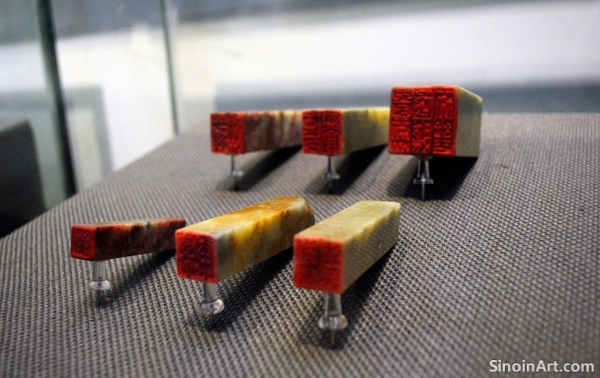 When collecting seals, it's crucial to consider several factors. The material of the seal is one of the first things to look at. Jade, precious stones, and high-quality soapstone are often more desirable than more common stones. The carving technique is also an important consideration, with more intricate and detailed carvings often prized. The calligraphic style and the historical context of the seal may also influence its value.  The condition of a seal is another important aspect. Seals should be carefully examined for cracks, chips, or other damage. The integrity of the carving, as well as the quality of the material, needs to be considered. Well-maintained and preserved seals often hold more value, not just monetarily, but also historically.  Collectors should also pay attention to the markings on a seal. Seals may include not only the name of the owner but also short inscriptions, dates, or symbolic elements. Understanding the significance of these markings adds depth to the appreciation of the piece and increases the historical understanding of the seal. Starting a seal collection can be done from beginner pieces to more advanced works. It can also start with a certain type of material, style, or time period. As collectors become more experienced, they can specialize in a specific era or carver. Building up a collection is a process of discovery and learning about the art form. |
Tag : collecting Chinese seals, seal collecting guide, antique seal, zhuanke collection, art seal collectors
Related information
- The Contemporary Relevance of Seal Carving: A Living Tradition
- The Use of Studio Seals in Art Collecting and Authentication
- Famous Seal Carvers and Their Legacy: Masters of Zhuanke
- Famous Seal Carvers in Chinese History: The Masters of Zhuanke
- Modern Uses of Collector's Seals: Adaptation and Evolution
This article explores the contemporary relevance of Chinese seal carving, highlighting how modern artists are incorporating new themes, materials, technologies, and embracing globalization, all while remaining true to the traditions of the art form.
This article explores the practical and cultural significance of studio seals within the context of art collecting, particularly for authentication, provenance, and the cultural status of the collector.
This article highlights some of the most influential seal carvers in Chinese history, discussing their distinctive styles, techniques, and the lasting impact they had on the art of zhuanke.
Discover the lives and works of famous Chinese seal carvers throughout history. Learn about the contributions of masters like Zhao Mengfu, Wen Peng, and Qi Baishi to the art of zhuanke.
This article explores how collector's seals are used in the modern era, examining contemporary practices and the ways in which artists and collectors are adapting this tradition to new contexts and purposes.