The Mark of the Collector
|
Collector's seals, or shoucang yinzhang, are distinctive marks of ownership and connoisseurship used by collectors of art, books, and other valuable objects in China. These seals are more than just ownership markers; they are also expressions of personal taste, aesthetic values, and engagement with the piece being marked. The seals help to identify who has collected the object, and what they thought of its merit.  These seals are typically stamped alongside an artist's seal, a studio seal, or a personal name seal. The seal helps to signify a chain of ownership, and also adds to the overall aesthetic value of the piece. The inclusion of a collector’s seal adds to the overall history of a piece. 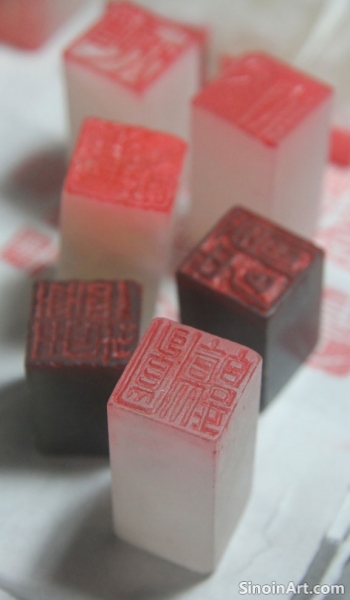 The design of collector's seals often reflects the owner’s personality and tastes, featuring characters or phrases that reflect their aesthetic preferences, intellectual pursuits, or collecting habits. The seal helps to convey a sense of who the collector is, and what they value. 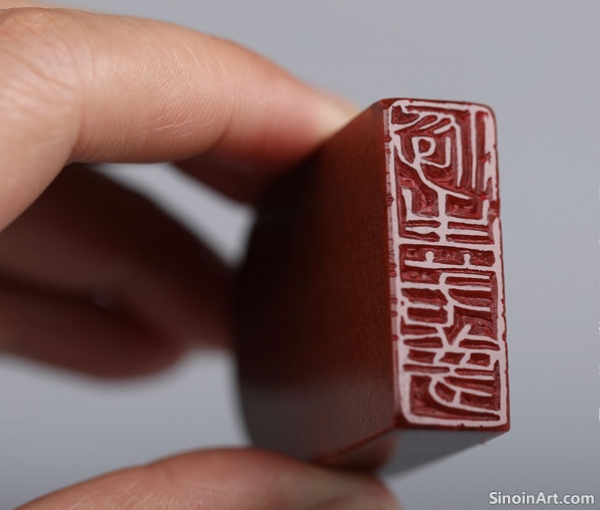 The use of these seals is a way for collectors to leave their personal mark on history, connecting themselves to the creators of the works they cherish. The seal is a lasting mark that helps connect the collector to the object, and to the artist. Collector's seals provide a fascinating glimpse into the world of art collecting in China, highlighting the importance of provenance, personal taste, and the long-standing tradition of connoisseurship. These seals help to show the historical value of pieces, as well as conveying the taste of the collector. |
Tag : Collector's Seals, Chinese Art Provenance, Art Collector's Marks, Identifying Art Ownership, Chinese Art History
Related information
- Collecting Collector's Seals: A Journey Through Art History and Connoisseurship
- The Tools of the Trade: Essential Equipment for Seal Carving
- The Tools of the Trade: Seal Carving Equipment Explained
- Design Elements of Collector's Seals: Composition and Visual Language
- Collecting Studio Seals: Tips for Appreciating and Acquiring
This article explores the personal journey of those who collect collector’s seals, emphasizing the blend of artistic appreciation, historical research, and personal engagement with Chinese art and culture.
This article outlines the essential tools used by seal carvers, from the selection of chisels to the preparation of stone, explaining their specific functions and how they contribute to the finished product.
Discover the specialized tools used in Chinese seal carving, from knives and chisels to files and brushes. Learn about their purpose and how they contribute to the creation of these miniature artworks.
This article discusses the design elements of collector's seals, exploring how composition, borders, patterns, and pictorial elements contribute to the seal's visual language and its overall artistic impact.
This article provides a practical guide for those interested in collecting studio seals, with advice on evaluating pieces, developing informed taste, and understanding the market for these unique art objects.