Jun Ware: The Art of Transmutation
|
Jun ware is another important and highly distinctive ceramic style of the Song Dynasty, known for its thick, opalescent glazes in a range of colors, including shades of blue, purple, red, and green. Unlike the more subtle celadon, Jun ware is characterized by its dramatic colors and its seemingly spontaneous, yet carefully controlled, effects. Jun ware demonstrates the incredible technical skill of Song potters. 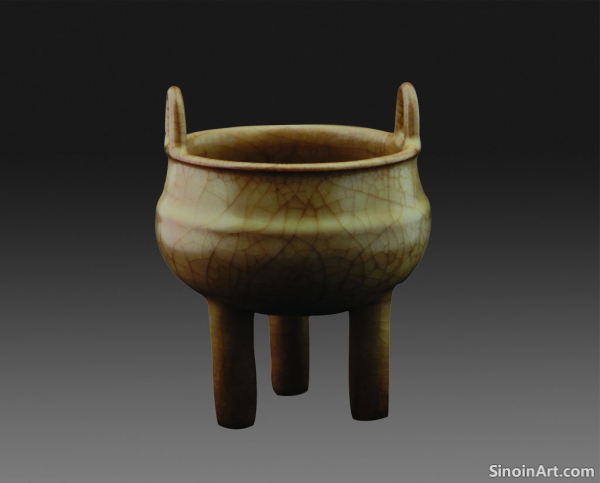 The glazes on Jun ware often exhibit a range of colors, textures, and visual effects due to the way they were fired. This creates a dynamic and unpredictable beauty that is part of the appeal of Jun ware. The transmutation glazes of Jun were highly prized and are unique in the history of ceramics. The complexity of the glazes is still marveled at today. Jun ware was primarily produced at kilns in Henan province, which had a long history of ceramic production. The potters at these kilns pushed the boundaries of glaze technology. The kilns at Jun are a testament to the power of the ceramic arts.  The forms of Jun ware were often simple, robust, and functional, including bowls, dishes, and flowerpots. The focus was on allowing the beauty of the glaze to be the central feature of the pieces. The forms are thus designed to showcase the dramatic quality of the glazes. The enduring appeal of Jun ware lies in its dramatic beauty, its unexpected and varied coloration, and its demonstration of the extraordinary technical skills of the Song potters. The legacy of Jun ware can be seen throughout the ceramic tradition. Jun wares are sought after for their unique characteristics. |
Tag : Jun ware, Song Dynasty ceramics, Chinese pottery, Transmutation glazes, Jun kilns
Related information
- The Role of the Kilns in Song Ceramic Innovation
- Guan Ware: The Mystery of Imperial Ceramics
- Song Dynasty Ceramics and the Tea Ceremony
- Collecting and Appreciating Song Ceramics Today
- The Everyday Elegance of Song Dynasty Ceramics
Song Dynasty kilns, such as those in Longquan, Ding, Jun, and Jian, were centers of experimentation and artistic innovation, advancing kiln technology, glaze effects, and the training of potters, leading to a diversity of high-quality ceramic styles.
Guan ware, rare imperial ceramics of the Southern Song, are characterized by thick, crackled glazes in shades of gray, blue, or green, understated forms, and an enduring sense of mystery surrounding their production and kilns.
The Song Dynasty saw the flourishing of tea culture, and ceramics played a central role in the rituals and practices surrounding tea consumption. Specific types of tea bowls, teapots, and other tea wares were developed to enhance the tea-drinking experience. The ritualistic elements of tea consumption made the ceramic pieces important elements of daily life in the Song period.
Song Dynasty ceramics are highly valued today by collectors and museums due to their historical significance, artistic beauty, and technical sophistication, requiring detailed knowledge for informed collection, appreciation, and authentication.
While Song ceramics are often celebrated for their rare and exquisite pieces made for the imperial court, a wealth of utilitarian wares were also produced for everyday use. These pieces, while perhaps less elaborate than court ceramics, exhibit a refined sense of beauty and practicality, demonstrating the ubiquitous presence of ceramics in Song Dynasty life. These pieces are an important window into everyday life during this period.