The Global Influence of Song Dynasty Ceramics
|
Song Dynasty ceramics have had a profound influence on ceramic traditions around the world, with their beauty, elegance, and technical sophistication inspiring potters in many different cultures. The influence of Song wares has been felt throughout Asia, Europe, and even the Americas, and this speaks to the global importance of Chinese ceramics. 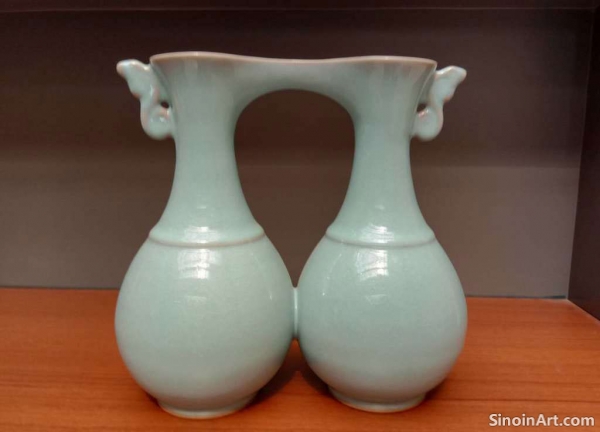 The forms, glazes, and decorative motifs of Song ceramics were adopted and adapted by potters in Korea, Japan, Vietnam, and other parts of Asia. The influence of Chinese pottery techniques had a lasting impact on ceramics production throughout East Asia. 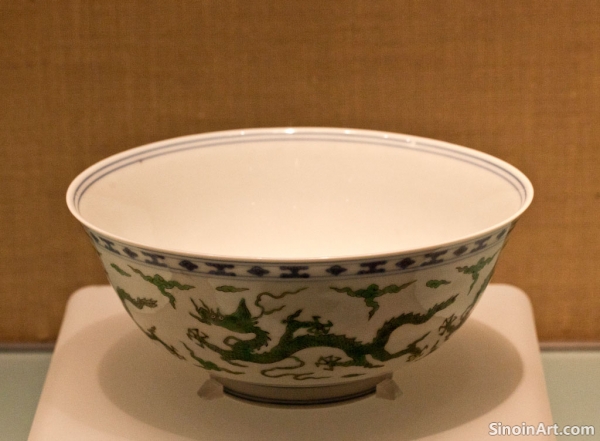 European potters, inspired by imported Song ceramics, experimented with new materials and techniques, resulting in the development of new forms and styles that were influenced by these pieces. The impact of Chinese pottery on European production is a significant element of Western ceramic history.  The enduring appeal of Song ceramics is a testament to their artistic quality and their ability to transcend cultural boundaries. The widespread popularity of these works demonstrates their overall and lasting influence. The global legacy of Song ceramics underscores their importance in the history of art and their continuing influence on contemporary ceramic artists, and their legacy is still felt throughout the world today. |
Tag : Song ceramic influence, global pottery, Chinese pottery export, East Asian ceramics, international art
Related information
- Guan Ware: The Mystery of Imperial Ceramics
- Song Ceramics and the Representation of Nature
- The Elegance of Guan Ware and Ge Ware Crackle Glazes
- The Delicate Beauty of Ru Ware Porcelain
- Blackwares of the Song Dynasty: Jian and Beyond
Guan ware, rare imperial ceramics of the Southern Song, are characterized by thick, crackled glazes in shades of gray, blue, or green, understated forms, and an enduring sense of mystery surrounding their production and kilns.
The forms, glazes, and decorative motifs of Song Dynasty ceramics often reflect a deep appreciation for nature, with potters drawing inspiration from the natural world. The incorporation of natural elements is a clear indicator of the importance of nature in Tang artistic thought.
Guan ware and Ge ware, both associated with the Southern Song Dynasty, are known for their distinctive crackled glazes, which were caused by the different contraction rates of the glaze and the ceramic body. These wares, which are also often referred to as “crackled ware”, exhibit a wide variety of crackle patterns, from fine “fish roe” patterns to more pronounced “ice crackle” patterns.
Ru ware, produced for a short period during the late Northern Song Dynasty, is among the rarest and most highly valued of all Chinese ceramics. Known for their delicate bluish-green celadon glaze, often described as the color of "sky after rain," Ru ware pieces are celebrated for their understated elegance, simple forms, and subtle crackle patterns. They are highly sought after by collectors and admired for their timeless beauty.
Song Dynasty blackwares, including Jian and Jizhou, feature diverse and artistic dark glazes like "hare's fur," “oil spot,” and decorative techniques, showcasing the range and creativity of Song potters.