The Delicate Beauty of Ru Ware Porcelain
|
Ru ware, produced for a short period during the late Northern Song Dynasty, is among the rarest and most highly valued of all Chinese ceramics. Known for their delicate bluish-green celadon glaze, often described as the color of "sky after rain," Ru ware pieces are celebrated for their understated elegance, simple forms, and subtle crackle patterns. They are highly sought after by collectors and admired for their timeless beauty.  The creation of Ru ware was a complex process that involved the selection of fine-grained clay, the application of a lustrous, opalescent glaze, and precise firing techniques. Ru ware pieces often have very small bases, usually defined by small spur marks from the firing process. 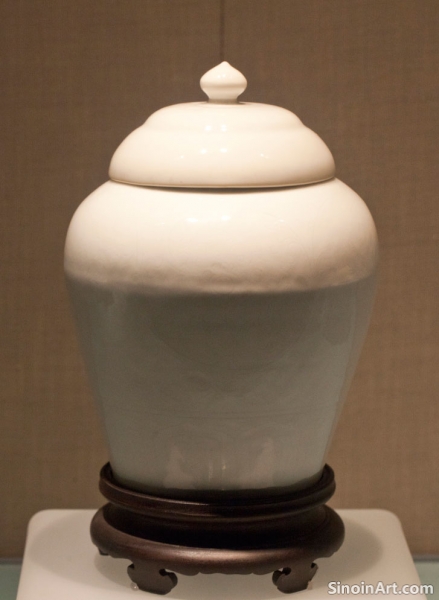 The forms of Ru ware are often simple, functional shapes, such as small bowls, dishes, and brush washers. The emphasis was placed on the beauty of the glaze rather than on excessive decoration. Decoration, if present, is very subtle and restrained. 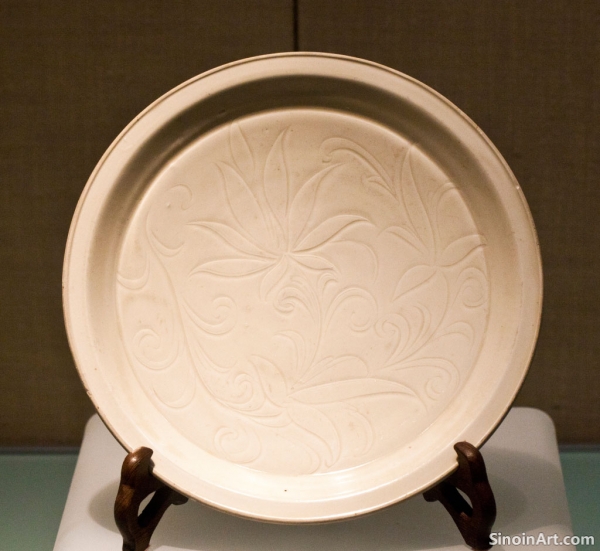 The distinctive crackle patterns, known as “ice crackles”, are a result of the difference in expansion rates between the glaze and the clay body. The crackle patterns were a key element of the aesthetics of Ru ware, with a high value placed on the resulting patterns. Ru ware’s beauty and rarity make it one of the most highly sought-after and admired of all Chinese ceramics. Its enduring appeal is a testament to the skill and ingenuity of Song potters and the continued desire for elegance and simplicity in ceramics. |
Tag : Ru ware, Song Dynasty porcelain, Chinese rare pottery, celadon glaze, ice crackle glaze
Related information
- The Elegance of Guan Ware and Ge Ware Crackle Glazes
- Decorative Techniques in Song Ceramics
- The Simplicity and Elegance of Song Celadons
- Collecting and Appreciating Song Ceramics Today
- Guan Ware: The Mystery of Imperial Ceramics
Guan ware and Ge ware, both associated with the Southern Song Dynasty, are known for their distinctive crackled glazes, which were caused by the different contraction rates of the glaze and the ceramic body. These wares, which are also often referred to as “crackled ware”, exhibit a wide variety of crackle patterns, from fine “fish roe” patterns to more pronounced “ice crackle” patterns.
Song Dynasty ceramics employed various subtle decorative techniques like carving, incising, molding, and impressing, adding texture and visual interest while allowing the simple forms and glazes to remain the focus.
The Song Dynasty is often regarded as the golden age of Chinese ceramics, and Song celadon stands as a pinnacle of ceramic artistry. Characterized by its subtle green hues, ranging from pale jade to deep olive, Song celadon is celebrated for its elegant forms, smooth glazes, and understated decoration. Unlike the vibrant, multi-colored wares of the preceding Tang Dynasty, Song celadons embraced simplicity and a harmonious balance between form and glaze. The focus shifted to the intrinsic beauty of the material and the nuanced shades achieved through masterful kiln firing.
Song Dynasty ceramics are highly valued today by collectors and museums due to their historical significance, artistic beauty, and technical sophistication, requiring detailed knowledge for informed collection, appreciation, and authentication.
Guan ware, rare imperial ceramics of the Southern Song, are characterized by thick, crackled glazes in shades of gray, blue, or green, understated forms, and an enduring sense of mystery surrounding their production and kilns.