The Ritual Vessels of the Shang Dynasty: Power and Symbolism in Bronze
|
The ritual vessels of the Shang Dynasty (c. 1600-1046 BCE) represent some of the most iconic and powerful examples of ancient Chinese bronze ware. These vessels, meticulously crafted with intricate designs and robust forms, served as essential instruments in ancestral rites and other important ceremonies. They were not merely containers but rather potent symbols of social status, religious authority, and the communication between the living and the spirit world. Their importance in the Shang Dynasty is difficult to overstate. 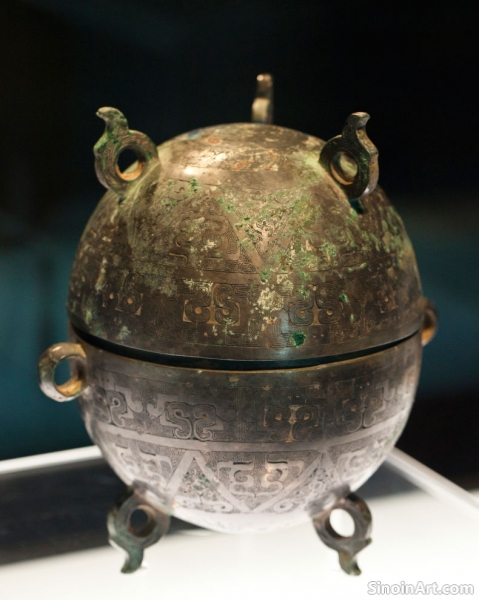 The Shang Dynasty was characterized by a hierarchical social structure and a strong emphasis on ancestor worship. Bronze vessels were used to hold food and wine offerings for deceased ancestors, acting as a means of connecting with the past and ensuring the continued prosperity of the lineage. The type and number of bronze vessels used in a ritual directly reflected the social status of the individual or family involved. This clearly shows the connection between power, prestige and the use of bronze. 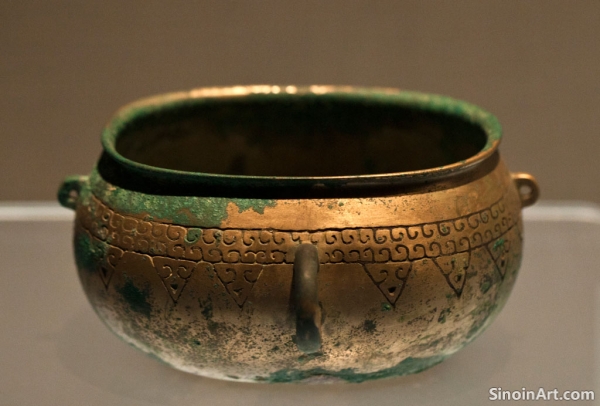 Among the most common Shang bronze vessels were the ding (鼎), a large cauldron with three or four legs, and the gui (簋), a bowl-shaped vessel for grains. The designs on these vessels, which often included the fearsome taotie motif, were not merely decorative but also possessed deep symbolic meanings. The taotie, with its composite animal features, was believed to protect against evil spirits and ensure good fortune. The patterns and forms of these vessels were complex and had a deep symbolic importance. The craftsmanship involved in the creation of these Shang bronze vessels was remarkable. Bronze workers employed the lost-wax casting method, a complex and time-consuming technique that allowed them to produce intricate designs and precise forms. The high level of craftsmanship required a large amount of time, skill, and expertise. This level of skill has not been often surpassed. The ritual vessels of the Shang Dynasty offer invaluable insights into the religious beliefs and social practices of the time. Their enduring legacy continues to inspire awe and fascination, showcasing the artistic brilliance and technical mastery of ancient Chinese bronze workers. They remain today, not only as artifacts, but also as examples of one of the greatest eras of bronze creation in human history. |
Tag : Shang Dynasty bronzes, ritual vessels, ding, gui, taotie
Related information
- The Evolution of Bronze Decoration: From Simple Lines to Complex Narratives
- The Evolution of Bronze Casting Techniques: From Early Molds to Complex Vessels
- The Enduring Allure of Chinese Bronze Ware: A Source of Inspiration and Study
- The Influence of Bronze Ware on the Development of Chinese Calligraphy: Forms, Styles, and Materials
- The Influence of Bronze Ware on Ancient Chinese Music Theory and Practice
This article explores the evolution of bronze decoration, highlighting the shift from simple geometric patterns to more complex motifs and narratives, showcasing the technical and artistic development of ancient Chinese bronze workers.
This article explores the evolution of bronze casting techniques in China, from simple molds to the piece-mold and lost-wax methods, highlighting the technological innovation and artistic mastery of ancient Chinese metalworkers.
This article reflects on the enduring allure of Chinese bronze ware, highlighting its technical skill, artistic beauty, historical significance, and the importance of its study and preservation for future generations.
This article explores the reciprocal influence between bronze ware and the development of Chinese calligraphy, highlighting how bronze inscriptions shaped early forms of writing, established foundational principles, and contributed to the overall evolution of calligraphic styles.
This article explores the influence of bronze ware on ancient Chinese music theory and practice, highlighting the role of bronze instruments like bells and chimes in shaping musical scales, performance styles, and the spiritual aspects of music.