The Influence of Bronze Ware on Ancient Chinese Music Theory and Practice
|
The creation and use of bronze instruments, particularly bells and chimes, had a significant impact on the development of ancient Chinese music theory and practice. The specific pitches, tunings, and arrangements of these instruments shaped the musical landscape of ancient China and helped to form its musical traditions. The influence of bronze instruments helped to shape the overall understanding of musical theory and its practical applications. 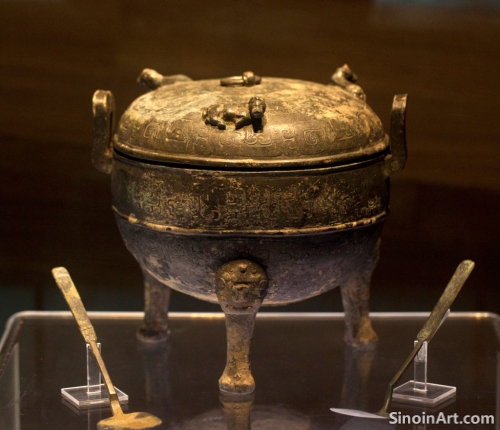 Bronze bells, often arranged in sets of varying sizes and pitches, allowed for the creation of complex melodies and harmonies, expanding the range and scope of musical expression. The ability to produce a wider range of notes helped to allow for a greater flexibility in musical expression. The innovation in musical instruments helped to push Chinese music theory and practice forward.  The precise tuning and design of bronze bells contributed to the development of a more systematized understanding of musical intervals and scales. The careful study of the design and tuning of these bells has helped us to better understand the development of musical theory. The scientific understanding of musical sound helped to shape the overall musical landscape. 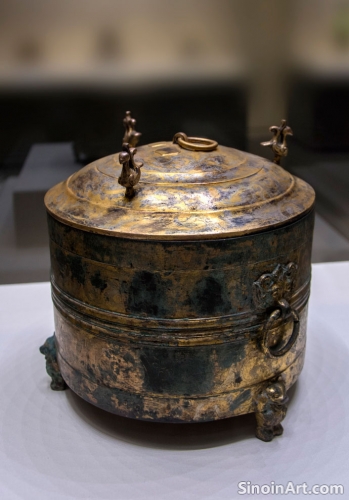 Bronze instruments were used in rituals and ceremonies, providing a powerful means of connecting with the spiritual world, and underscoring the importance of music in religious practices. Music was an essential element in many of the spiritual and religious practices of the time. The use of bronze instruments in these contexts helped to make them a more integral part of these practices. The study of bronze instruments and their role in ancient Chinese music provides a unique perspective on the development of musical theory and the role of music in society. The careful analysis of these instruments helps to illuminate a central element of ancient Chinese culture. The integration of music into daily life helped to shape the overall culture of the era. |
Tag : bronze music instruments, Chinese music theory, ancient bells, bronze chimes, musical performance
Related information
- The Influence of Tang Dynasty Kaishu Calligraphy on Bronze Inscriptions
- Bronze Mirrors and the Concept of "Face" in Ancient Chinese Society: Identity and Social Status
- Chinese Bronze Ware in Global Collections: A Transcultural Perspective
- Beyond Vessels: The Diverse Uses of Bronze in Ancient China
- The Legacy of Chinese Bronze Ware in Contemporary Art and Design: New Interpretations
This article explores the influence of Tang Dynasty Kaishu calligraphy on bronze inscriptions, highlighting how its elegant and structured forms impacted the style of carved characters and reflecting the artistic interplay between calligraphy and metalworking.
This article explores the connection between bronze mirrors and the concept of "face" (mianzi) in ancient China, highlighting how mirrors were used to manage social image, convey respect, and reflect the importance of social status both in life and after death.
This article explores the global distribution of Chinese bronze ware, highlighting its presence in museums and collections worldwide, the history of collecting, and the value of a transcultural perspective in understanding their significance.
This article explores the diverse uses of bronze beyond vessels and weapons, highlighting its use in musical instruments, mirrors, tools, and other objects, demonstrating the versatility and importance of bronze in ancient Chinese society.
This article explores the lasting influence of Chinese bronze ware on contemporary art and design, highlighting how artists and designers reinterpret and adapt ancient forms, motifs, and techniques, creating new works that connect the past with the present.