The Influence of Bronze Ware on the Development of Chinese Calligraphy: Forms, Styles, and Materials
|
The creation of Chinese bronze ware, particularly the inscriptions found on these objects, had a reciprocal influence on the development of Chinese calligraphy, shaping the forms, styles, and even the tools and materials used in writing. The connection between bronze work and calligraphy helped to shape both artistic traditions. The careful control of line and form in bronze work also influenced the development of the forms of Chinese writing.  The early forms of Chinese characters, known as "bronze script" (jinwen), were initially developed for use on bronze objects, and their angular and stylized forms reflect the techniques of metal carving. The design of early Chinese script was heavily influenced by the technical requirements of writing on metal. The direct connection between the written word and the production of bronze is very clear in early Chinese writing.  The practice of carving inscriptions on bronze helped to establish the foundations for Chinese calligraphy, helping to create a system of strokes, proportions, and composition that would be further developed in later writing systems. The techniques used in working with bronze influenced the strokes and forms of written Chinese. 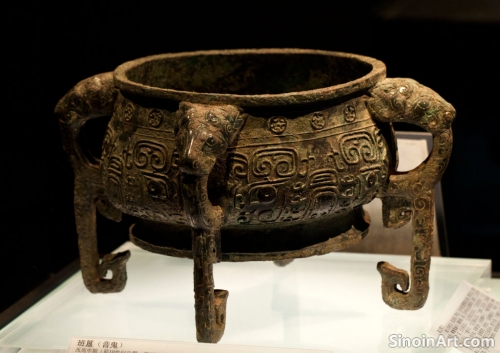 The evolution of different script styles over time, from the archaic bronze script to more formalized and fluid writing styles, reflects the changing aesthetic sensibilities and techniques that influenced both bronze work and calligraphy. The shared roots of both art forms help to illuminate the relationship between design and writing. The interplay between the art forms helped to shape both of them. |
Tag : bronze calligraphy influence, jinwen, Chinese writing history, ancient scripts, calligraphic styles
Related information
- The Influence of Bronze Ware on Ancient Chinese Architecture: Decorative Elements and Structural Supports
- Bronze Ware and the Representation of Power in Ancient Chinese Local Governance: Authority, Control, and Regional Identity
- Bronze Ware and Ancient Chinese Concepts of the Afterlife: Journey, Protection, and Eternity
- The Role of Bronze in Ancient Chinese Agriculture: Tools, Irrigation, and Food Production
- The Use of Bronze in Ancient Chinese Public Works: Infrastructure, Irrigation, and City Planning
This article explores the influence of bronze ware on ancient Chinese architecture, highlighting its use in decorative elements, structural supports, and other components that helped to enhance the beauty and functionality of ancient buildings.
This article explores the use of bronze ware to represent power in ancient Chinese local governance, highlighting its role in asserting authority, maintaining order, establishing regional identity, and demonstrating the complex interplay between local and imperial influences.
This article explores the role of bronze ware in ancient Chinese funerary practices, highlighting the use of these objects to prepare the deceased for their journey into the afterlife, providing protection and ensuring their continued well-being in the spirit world.
This article explores the role of bronze in ancient Chinese agriculture, highlighting its use in creating more effective tools, developing irrigation systems, improving food processing, and its contribution to greater agricultural efficiency and economic development.
This article explores the use of bronze in ancient Chinese public works projects, highlighting its role in surveying, water management, construction, and demonstrating its importance in the development of infrastructure and city planning.