The Production and Use of Bronze in the Ancient Kingdom of Shu: The Uniqueness of Sanxingdui
|
The ancient kingdom of Shu, located in present-day Sichuan province, developed its own distinct traditions of bronze production, exemplified by the remarkable archaeological discoveries at Sanxingdui. The bronze artifacts from Shu are unlike those found in other parts of China, showcasing the unique cultural and artistic identity of this powerful and isolated region. The unique bronze work of Shu is a powerful testament to their distinctive culture.  The bronze objects from Sanxingdui, including large, mask-like human faces with protruding eyes, elaborate animal figures, and immense standing figures, are unlike anything found in other parts of China. The unique forms and styles set these works apart from other bronze pieces of the time. These pieces show the distinct beliefs and values of the people of the kingdom of Shu. 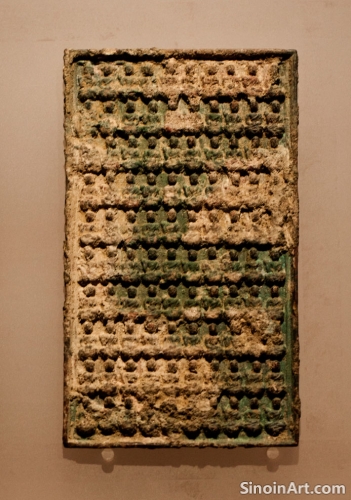 The casting techniques used in the creation of these objects were also often unique, suggesting a degree of independence and innovation in the bronze workshops of ancient Shu. The innovations in technique used by the bronze workers of Shu demonstrate a high level of skill and technological advancement. 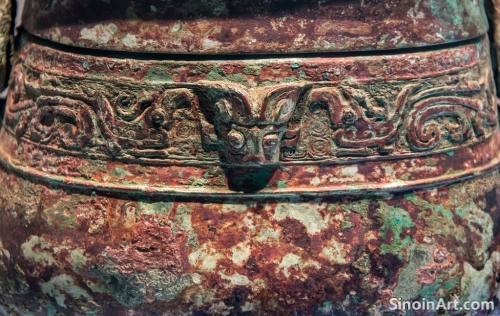 The bronze artifacts of Sanxingdui highlight the existence of a distinct and complex civilization in the Sichuan basin, one that was largely separate from the influence of the Shang and Zhou dynasties to the north. The unique style of the Sanxingdui pieces shows that they developed independently from the other bronze working traditions of the time. The people of Shu were creating works of art that were not influenced by outside sources. The study of Shu bronze ware offers valuable insights into the cultural diversity of ancient China, emphasizing the importance of regional variations and the need to look beyond the traditional narratives that emphasize the primacy of the Yellow River valley. The study of the Shu kingdom help to broaden our understanding of the variety and complexity of ancient Chinese cultures. |
Tag : Sanxingdui bronzes, Shu culture, Sichuan archaeology, unique artifacts, bronze masks
Related information
- The Bronze Bells of Ancient China: Harmony and Power in Sound
- Bronze Ware and the Representation of Power in Ancient Chinese Royal Courts
- The Use of Bronze in Ancient Chinese Transportation: Bridges, Road Components, and Infrastructure
- The Symbolic Significance of Bronze in Ancient Chinese Power Structures: Ritual, Authority, and Legitimacy
- Bronze Ware and Ancient Chinese Textile Production: Spindle Whorls, Weaving Tools, and Textile Art
This article explores the bronze bells of ancient China, highlighting their role as ritual instruments, their sophisticated construction, their use in sets (bianzhong), and their importance as symbols of power and harmony in Chinese culture.
This article explores the use of bronze ware in ancient Chinese royal courts, highlighting its role in representing authority, wealth, and social status, demonstrating how bronze objects were used to reinforce the power of the ruling class.
This article explores the use of bronze in ancient Chinese transportation infrastructure, highlighting its role in the creation of bridges, road supports, measuring tools, and other components, and demonstrating its importance in large-scale engineering projects.
This article explores the symbolic significance of bronze in ancient Chinese power structures, highlighting its role in ritual practices, its symbolism of authority and legitimacy, and its use by rulers to consolidate political control.
This article explores the use of bronze in ancient Chinese textile production, highlighting its role in creating spindle whorls, weaving tools, decorative elements, and the interplay between metalworking and textile crafts.