The Use of Bronze in Ancient Chinese Warfare: Fortification and Siege Technology
|
Beyond weapons and armor, bronze was also used in the construction and maintenance of ancient Chinese fortifications, and also in the creation of siege engines, underscoring the material's importance in military technology and strategy. The presence of bronze in both siege and fortification techniques highlights its importance in the history of Chinese military innovation.  Bronze was used to create components for siege engines, such as rams, catapults, and siege towers, all of which were designed to breach fortifications. The careful use of bronze to reinforce these machines helped to make them more powerful and more effective. The use of bronze in siege engines made them much more formidable and reliable.  Bronze was also used in the construction of fortifications, such as city gates, watchtowers, and other defensive structures, enhancing their strength and durability. The use of bronze helped to make these fortifications more secure. The combination of fortifications and bronze weaponry helped to make ancient Chinese armies powerful and successful. 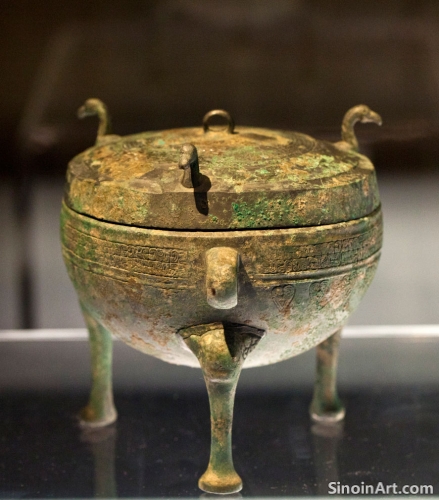 The ability to create strong, lasting, and precise mechanisms from bronze helped to improve both the defensive and offensive aspects of ancient warfare. These innovations helped to change the overall nature of ancient warfare. The study of bronze in the context of ancient Chinese warfare helps to show the connection between technology, engineering, and military strategy, revealing how advancements in material science influenced the course of military history. The connection between these different areas helped to shape the culture of warfare in ancient China. The innovations of this era helped to create new and highly effective military strategies. |
Tag : bronze fortifications, ancient siege technology, Chinese warfare, military engineering, bronze weapons
Related information
- The Influence of Bronze Ware on Ancient Chinese Architecture: Decorative Elements and Structural Supports
- Bronze Ware and Ancient Chinese Astronomy: Celestial Charts and Observational Tools
- The Impact of Bronze Ware on Ancient Chinese Ritual Practices: Sacrifices, Offerings, and Performances
- The Techniques of Inlaying Bronze: Incorporating Precious Materials into Metalwork
- The Preservation of Bronze Ware: The Impact of Environmental Factors and Storage Conditions
This article explores the influence of bronze ware on ancient Chinese architecture, highlighting its use in decorative elements, structural supports, and other components that helped to enhance the beauty and functionality of ancient buildings.
This article explores the use of bronze in ancient Chinese astronomy, focusing on the creation of armillary spheres, sundials, and other observational tools, demonstrating the integration of art, technology, and the ancient quest to understand the cosmos.
This article explores the impact of bronze ware on ancient Chinese ritual practices, highlighting their use in sacrifices, offerings, and performances, and demonstrating their importance in connecting the earthly world with the realms of gods and spirits.
This article explores the techniques of inlaying bronze in ancient China, highlighting the use of precious materials like gold, silver, and jade, and demonstrating how these techniques added sophistication, symbolism, and artistic value to bronze objects.
This article explores the impact of environmental factors and storage conditions on the preservation of Chinese bronze ware, highlighting the causes of corrosion, the role of humidity and pollutants, and the need for careful management of storage environments.