The Ink of Xieyi: A Palette of Grays
|
Ink is the lifeblood of Xieyi painting. More than just a medium, it's the primary means of expressing emotions, capturing form, and conveying the spirit of the subject. Unlike the vibrant colors of Western art, Xieyi painting relies on the subtle tonal variations of ink, from the lightest washes to the deepest blacks. This monochrome palette, far from being limiting, offers a vast range of expressive possibilities, allowing artists to create truly captivating works. 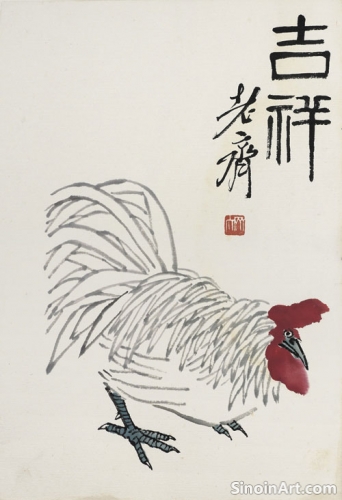 The process of preparing ink for Xieyi painting is an art in itself. Traditional Chinese ink comes in the form of a solid stick, which is ground on an inkstone with water. This process allows the artist to control the consistency and concentration of the ink, creating a personalized palette that varies from thin washes to thick, black strokes. The artist will often spend time preparing ink before beginning their painting, reflecting the emphasis on the process itself. 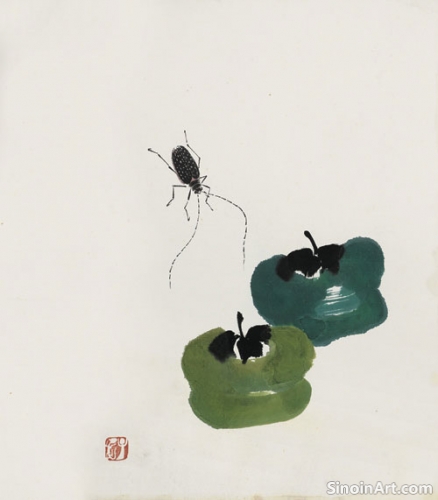 The tonal variations of ink are essential to creating depth and dimension in a Xieyi painting. Light washes are used to create delicate textures and background details, while darker tones are used to define forms and create contrast. By carefully controlling the amount of ink on the brush and the amount of water added, the artist can create an infinite range of shades between black and white, allowing for the creation of a dynamic range of tones. 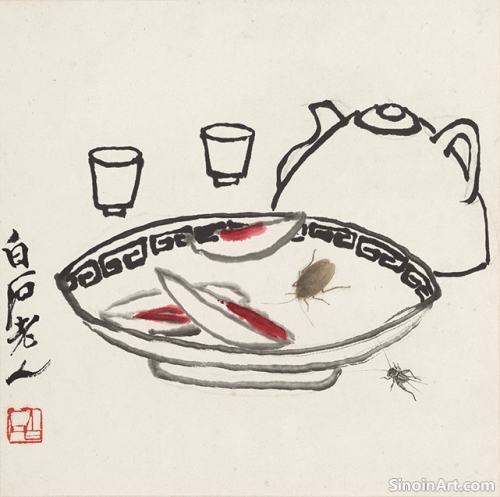 The application of ink in Xieyi is not simply about filling in spaces; it’s about conveying movement, energy, and emotion. Artists employ various techniques, such as dry brush strokes, wet washes, and ink blending, to create a dynamic interplay of light and shadow. The use of dry brush technique creates texture and allows for a more abstract representation. The use of wet washes allows for blending and a more ethereal effect. In addition to tonal variations, the texture of ink plays a crucial role in Xieyi painting. The consistency of the ink, ranging from thick, viscous ink to thin, watery washes, creates different textures and effects on the surface. Mastering the control of ink texture is crucial for creating a dynamic and engaging artwork. It requires an understanding of the ink itself and its unique qualities. The mastery of ink is at the heart of Xieyi painting. It’s a testament to the artist’s skill, a powerful means of conveying emotion, and the essence of the subject through the subtleties of black and white. This seemingly simple medium becomes an infinitely versatile tool in the hands of a skilled artist, allowing for a rich and expressive artwork. The ink isn’t just a color; it’s the soul of the painting. |
Tag : Xieyi Ink Painting, Chinese Ink, Ink Wash Techniques, Brush and Ink, Chinese Monochrome Painting
Related information
- The Use of "Reversed Brush" in Xieyi
- The Essence of Expression: An Introduction to Xieyi Painting
- The Influence of Confucianism on Xieyi
- Xieyi Painting as a Means of Meditation
- The Role of the Brush in Xieyi Painting
The "Reversed Brush" (nìfēng) in Xieyi involves starting a stroke by moving the brush in the opposite direction, then reversing to create strong, textured, dynamic lines, conveying a sense of force, resistance, and visual interest, while requiring precise control and a deep understanding of brush responsiveness.
This article introduces Xieyi painting, a freehand and expressive style of Chinese painting, emphasizing its focus on capturing the essence of a subject through bold brushwork and simplified forms.
Confucianism subtly influences Xieyi painting through its emphasis on self-cultivation, social harmony, moral conduct, and the ideal of the gentleman scholar, shaping the cultural context, the values of the art form, and the ethical dimensions of artistic creation.
The practice of Xieyi painting serves as a form of meditation, fostering mindfulness, focus, and a sense of connection with the inner self, nature, and the creative process, allowing artists to express inner feelings, explore personal growth, and find a sense of peace and balance.
The Chinese brush is essential to Xieyi painting, serving as an extension of the artist's hand and mind. Mastering brush types, grip, pressure, and stroke is crucial for creating the diverse range of expressive marks and textures characteristic of the art form.